Bringing a British Shorthair into your home is one of the most rewarding decisions you can make as a cat lover. Known for their round faces, plush coats, and wonderfully calm demeanor, these cats have earned a reputation as the perfect indoor companion. But like any breed, they come with their own set of needs and quirks that are worth understanding before you welcome one home.
Whether you are picking up your first kitten or considering adding a British Shorthair to your family, this guide covers everything you need to know about their care, personality, and daily needs. For a closer look at available kittens from a TICA-registered cattery, you can visit Blue Brits Cattery.
What Makes British Shorthairs Unique?
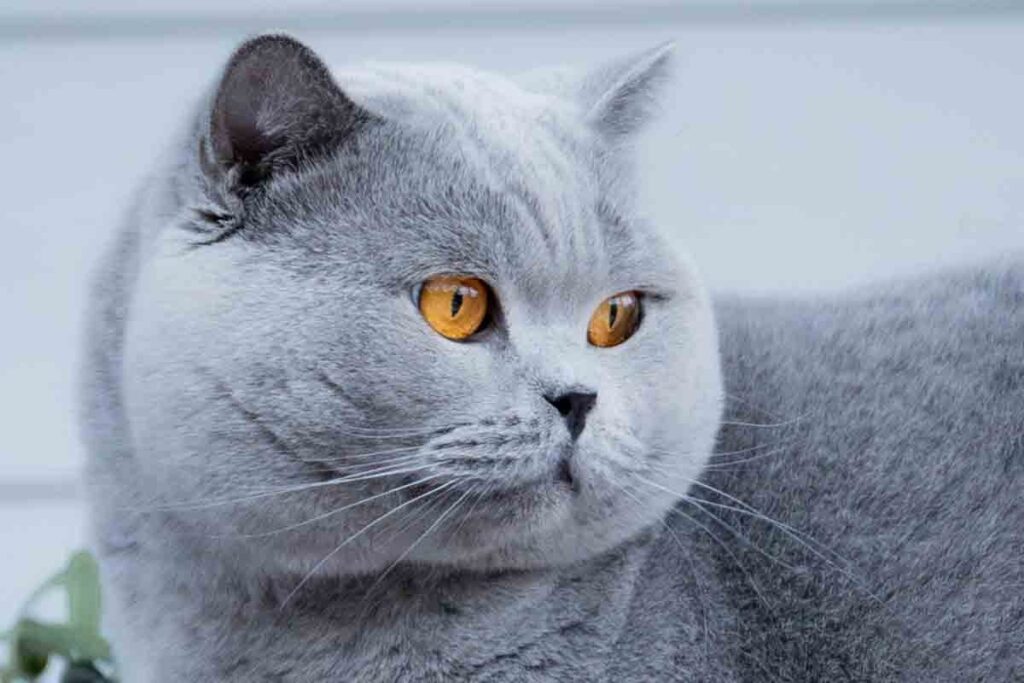
British Shorthairs are often described as gentle giants of the cat world. Males typically weigh between 12 and 18 pounds, while females range from 8 to 14 pounds. They have a stocky, cobby build with broad chests and short, powerful legs that give them a sturdy, teddy-bear-like appearance.
Their personality is where they truly shine. British Shorthairs are famously easygoing, loyal, and quietly affectionate. They tend to bond closely with their owners without being overly demanding. Unlike some breeds that constantly seek attention, a British Shorthair is perfectly happy sitting beside you on the couch rather than insisting on being in your lap.
They are also remarkably patient, which makes them an excellent choice for families with children or other pets. Their calm temperament means they adapt well to different living situations, from apartments to larger homes. While they enjoy interactive play, especially with feather toys and puzzle feeders, they are equally content watching the world go by from a sunny windowsill.
Facts Will Cat Litter Melt Ice You Never Expected
Setting Up Your Home for a British Shorthair Kitten
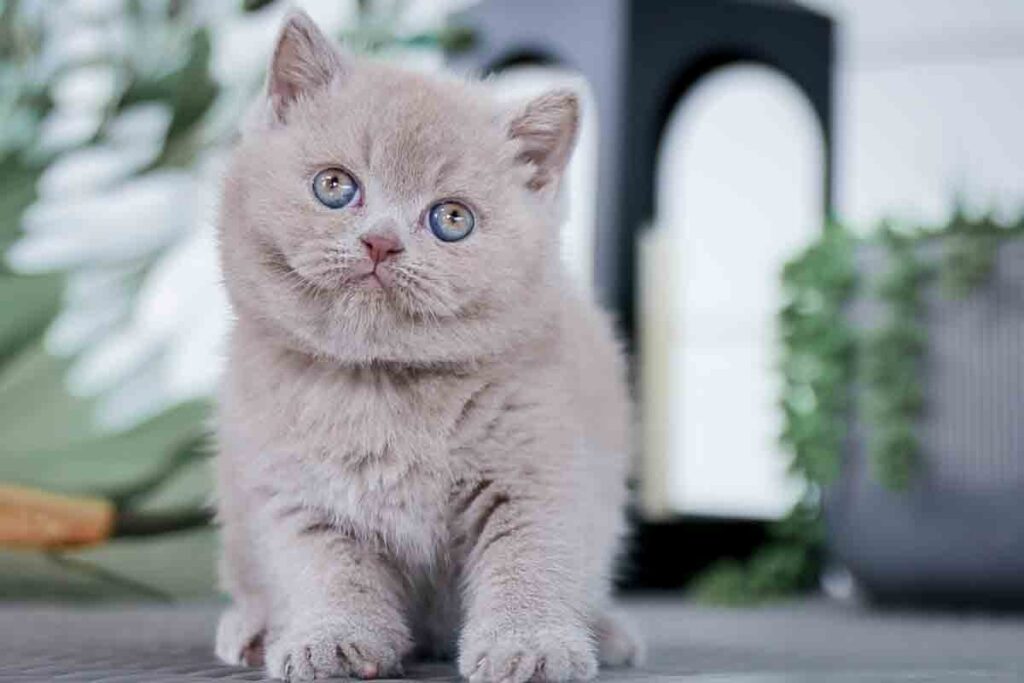
Before your new kitten arrives, a little preparation goes a long way. Start by creating a quiet, safe space where your kitten can settle in during the first few days. A spare bedroom or a cozy corner with their essentials works well.
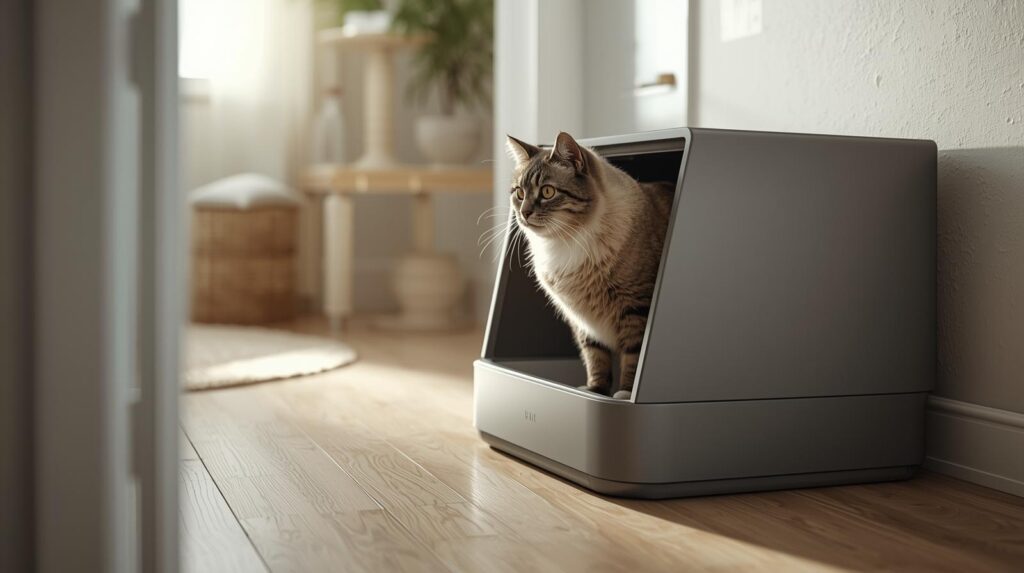
You will need a few basics: a sturdy litter box with low sides for easy access, high-quality kitten food, fresh water bowls (ceramic or stainless steel is best), a comfortable bed, and a scratching post. British Shorthairs have an instinct to scratch, so providing an appropriate outlet from day one helps protect your furniture.
Cat-proofing is important, too. Secure loose wires, remove toxic houseplants, and make sure windows and balconies are safely screened. British Shorthairs are curious but not particularly athletic jumpers, so they are less likely to get into high places. Still, it pays to be cautious.
Diet and Nutrition Basics
Good nutrition is one of the most important investments you can make in your British Shorthair’s health. This breed has a tendency toward weight gain, so feeding them a balanced, portion-controlled diet is essential from the start.
Look for high-quality wet or dry food with real meat as the first ingredient. Avoid fillers like corn, wheat, and soy. Kittens need food specifically formulated for their age group, as it contains the extra protein and calories they need for growth. Around 12 months, you can transition to an adult formula.
Feeding twice a day on a consistent schedule works well for most adult British Shorthairs. Free-feeding (leaving food out all day) is not recommended, as it often leads to overeating. Fresh water should always be available, and many owners find that a water fountain encourages their cat to drink more.
Treats are fine in moderation, but keep them to no more than ten percent of your cat’s daily calorie intake. Some owners like to use small pieces of cooked chicken or commercial freeze-dried treats as training rewards or bonding tools.
Grooming Needs: Coat Care and Shedding
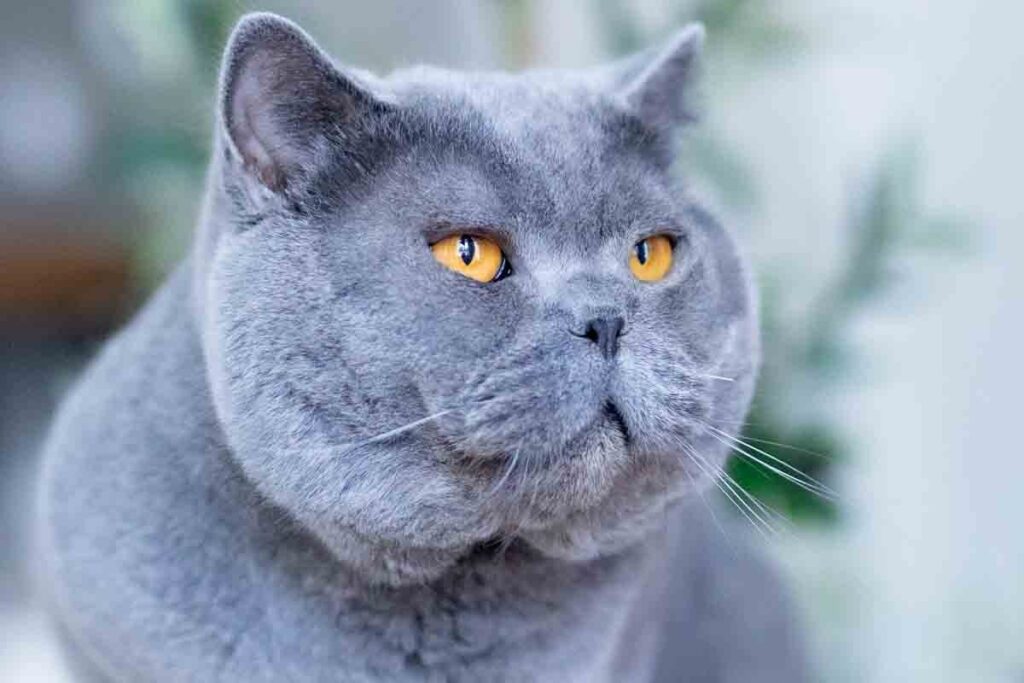
One of the great things about British Shorthairs is that their dense, plush coat is surprisingly low-maintenance. A good brush two to three times a week keeps their fur in top condition and reduces the amount of loose hair around your home.
That said, they do shed. British Shorthairs have a thick double coat, and you will notice heavier shedding in spring and autumn as they transition between their seasonal coats. During these periods, daily brushing helps manage the extra fur. A rubber grooming mitt or soft bristle brush works well for their coat type.
Bathing is rarely necessary unless your cat gets into something messy. Regular nail trimming every two to three weeks, along with occasional ear checks, rounds out their grooming routine. Most British Shorthairs tolerate grooming well, especially when introduced to it as kittens.
Common Health Considerations
British Shorthairs are generally a healthy and robust breed with an average lifespan of 12 to 20 years. However, like all pedigree cats, there are a few health conditions to be aware of.
Hypertrophic cardiomyopathy (HCM) is the most significant hereditary concern. It causes thickening of the heart walls and can affect cats at any age. Reputable breeders screen their breeding cats with regular echocardiograms to reduce the risk of passing it on.
Obesity is probably the most common preventable issue. Because British Shorthairs are not the most active breed, they can pack on weight quickly if overfed. Keeping them at a healthy weight through proper diet and regular play sessions makes a real difference in their long-term health.
Polycystic kidney disease (PKD) is another condition that responsible breeders test for. A simple DNA test can identify carriers, making it fully preventable through careful breeding practices. When choosing a breeder, always ask about health testing and registration with organizations like TICA or CFA.
Routine veterinary care is just as important. Annual wellness exams, vaccinations, and dental checkups help catch potential issues early. Indoor-only British Shorthairs tend to live longer and healthier lives, as they avoid risks like traffic, predators, and outdoor parasites.
Socialization Tips for Kittens and Adults
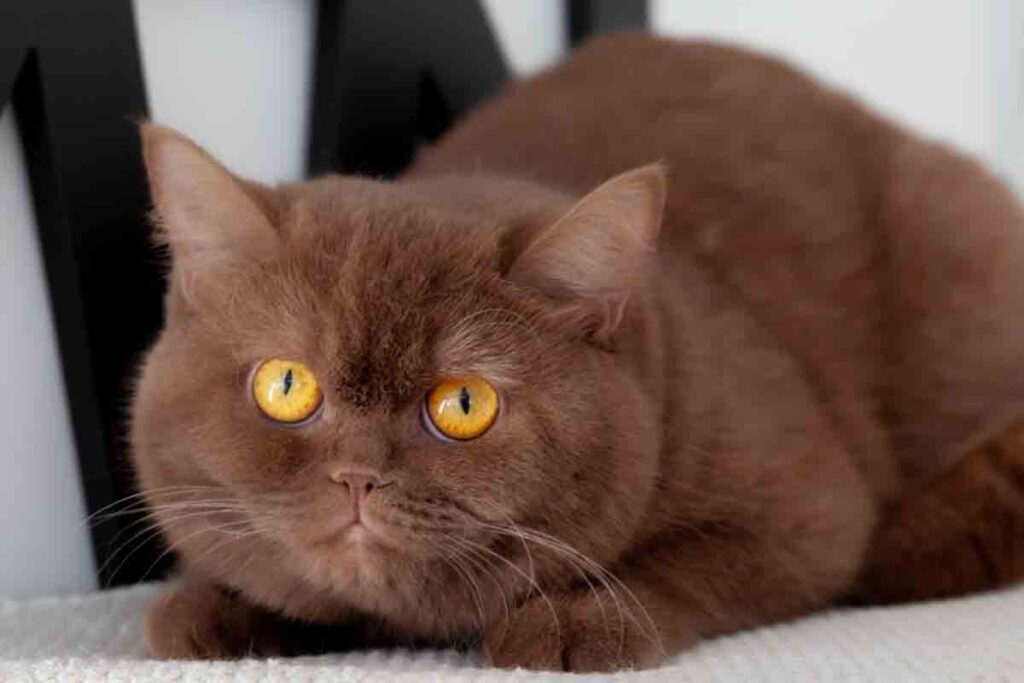
Early socialization shapes your British Shorthair’s confidence and comfort level for life. Kittens that are gently handled, exposed to household sounds, and introduced to different people during their first 12 weeks tend to grow into well-adjusted adults.
If your kitten is coming from a breeder, much of this early work will already be done. Good breeders handle their kittens daily and expose them to everyday noises like vacuum cleaners, televisions, and conversations. When your kitten arrives home, continue this process by introducing them gradually to each room, family member, and any other pets.
For adult British Shorthairs, patience is key. They may take a few days to a few weeks to fully settle in. Let them explore at their own pace and avoid forcing interaction. Offering treats, gentle play with feather wands or catnip toys, and simply spending quiet time near them builds trust.
British Shorthairs are not typically vocal cats, so they communicate more through body language. A slow blink, a head bump, or following you from room to room are all signs your cat feels safe and bonded with you.
Bringing It All Together
British Shorthairs make wonderful companions for first-time cat owners and experienced cat lovers alike. Their relaxed nature, sturdy health, and low-maintenance grooming needs make them one of the most approachable pedigree breeds out there. With the right diet, regular vet checkups, and a little daily interaction, your British Shorthair will be a loyal, loving member of your family for many years to come.
If you are ready to find your perfect British Shorthair companion, browse the available kittens at Blue Brits Cattery to see what is coming up next.