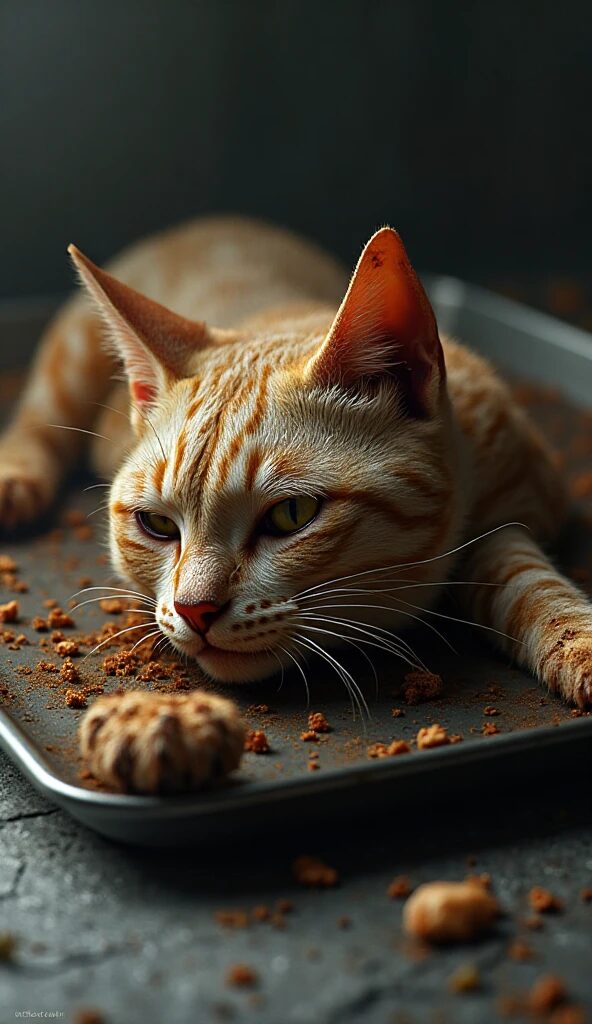
Yes — Can cat litter make cats sick? is a real and valid concern. Some types of cat litter can negatively affect a cat’s health due to dust, chemicals, fragrances, mold growth, or toxic ingredients. While many cats use litter daily without issues, sensitive cats, kittens, seniors, or cats with respiratory problems can develop serious health symptoms over time. Understanding how litter affects your cat’s body is essential for prevention, early detection, and choosing safer options.
This article explains exactly how cat litter can make cats sick, what symptoms to watch for, which litter types are risky, and how to protect your cat’s long-term health
Table of Contents
Can Cat Litter Make Cats Sick Due to Dust, Chemicals, and Airborne Particles

Yes, can cat litter make cats sick is most commonly linked to dust, chemical additives, and airborne particles released from the litter box. Every time a cat digs, scratches, or covers waste, fine particles become airborne. Because cats spend time close to the litter surface, they inhale these particles far more than humans do.
How Litter Dust Affects a Cat’s Respiratory Health
Many popular litters—especially clay-based and clumping varieties—produce high levels of dust. This dust often contains silica and other fine particles that can irritate a cat’s delicate respiratory system.
Long-term exposure to dusty litter may lead to:
- Sneezing and nasal irritation
- Chronic coughing or wheezing
- Watery or inflamed eyes
- Worsening of feline asthma or bronchitis
- Increased risk of respiratory infections
Cats with short noses, senior cats, kittens, or cats with pre‑existing breathing issues are especially vulnerable to dust-related problems.
Chemical Additives and Artificial Fragrances
Another major reason cat litter can make cats sick is the presence of chemical additives designed to control odour. These often include artificial fragrances, deodorising agents, and antibacterial chemicals.
While these chemicals may smell pleasant to humans, cats have a much stronger sense of smell and a lower tolerance for synthetic scents. Chemical exposure can result in:
- Stress and anxiety during litter box use
- Litter box avoidance or accidents outside the box
- Skin irritation on paws and belly
- Headaches, nausea, or digestive upset after grooming
Strongly scented litter is one of the most common triggers for sudden behaviour changes related to litter box use.
Airborne Particles and Grooming Exposure
Airborne litter particles do not just affect breathing. Dust settles on a cat’s fur and paws, which are later cleaned during grooming. This creates a secondary exposure route through ingestion.
Possible ingestion-related effects include:
- Throat irritation
- Mild stomach upset
- Vomiting in sensitive cats
- Long-term toxin buildup from repeated exposure
Because cats groom themselves frequently, even small amounts of harmful residue can add up over time.
Can Cat Litter Make Cats Sick by Causing Digestive and Skin Problems
Another major reason cat litter make cats sick is direct physical contact with litter materials and accidental ingestion during daily grooming. Cats step into the litter many times a day. Any dust, chemicals, or residue that sticks to their paws and fur is later swallowed when they lick themselves clean.
Ingestion Risks (Especially for Kittens)
Certain litter types are designed to clump tightly or expand when they come into contact with moisture. While this helps with odour control, it increases health risks if the litter is swallowed.
Accidental ingestion can lead to:
- Mouth and throat irritation
- Vomiting in cats after using litter
- digestive problems in cats
- Constipation or painful bowel movements
- intestinal blockage in cats (rare but potentially life-threatening)
Kittens face the highest risk because they explore their environment with their mouths. Many young cats chew or eat litter out of curiosity, which makes clumping cat litter ingestion a serious concern for kitten owners.
Long-term ingestion of small amounts may also cause:
- Chronic stomach upset
- Reduced appetite
- Lethargy and discomfort
Skin and Paw Irritation from Direct Contact
Another overlooked answer to can cat litter make cats sick involves prolonged skin contact. Harsh or abrasive litter materials rub against sensitive paw pads and skin every day.
This repeated exposure may result in:
- Redness or swelling between toes
- cracked paw pads in cats
- Small cuts or abrasions from sharp litter particles
- allergic contact dermatitis in cats
- Excessive dryness or peeling skin
Signs your cat may be reacting to litter through skin contact include:
- excessive paw licking or chewing
- Limping or reluctance to walk
- Visible inflammation or sores
- Avoiding the litter box due to pain
Litter Box Ammonia Buildup and Toxic Exposure
Poor litter box maintenance is another serious reason that cat litter make cats sick. When urine is left sitting in the litter box, it breaks down and releases ammonia gas, a toxic compound that builds up quickly in enclosed or poorly ventilated areas.
Cats use the litter box at close range. Their nose, eyes, and lungs are only inches away from the litter surface, which means they inhale much higher concentrations of ammonia than humans do.
How Ammonia Exposure Harms Cats
Ammonia fumes are highly irritating, even at low levels. Repeated exposure can damage delicate tissues in a cat’s respiratory system and eyes.
Short-term ammonia exposure may cause:
- burning sensation in a cat’s nose
- eye irritation in cats or watery eyes
- difficulty breathing in cats
- Coughing or wheezing
- Headaches, fatigue, and lethargy
These symptoms often worsen slowly, making it harder for owners to connect them directly to the litter box.
Long-Term Health Risks of Ammonia Buildup
Chronic exposure to ammonia fumes is far more dangerous. Over time, it can:
- Weaken the immune system
- Increase the risk of upper respiratory infections in cats
- Trigger or worsen feline asthma symptoms
- Causes long-term lung irritation
- Increase stress and anxiety around litter box use
Cats with asthma, kittens, senior cats, or cats with weakened immunity are especially vulnerable to toxic ammonia exposure.
Environmental Factors That Increase Ammonia Levels
Certain conditions make ammonia buildup more likely:
- Infrequent litter box cleaning
- Small or enclosed litter box areas
- Poor air circulation
- Overcrowded litter boxes in multi-cat homes
- Litter that traps moisture excessively
These conditions allow ammonia smell from cat urine to concentrate, creating an unhealthy environment for your cat.
Cat litter that stays damp or is not changed regularly can become a breeding ground for harmful organisms.
Mold, Bacteria, and Parasites in Cat Litter
Cat litter that stays damp or is not changed regularly can become a breeding ground for harmful organisms.
Mold Growth
Natural and plant-based litters are especially vulnerable if moisture is trapped. Mold spores can lead to:
- Respiratory infections
- Allergic reactions
- Immune stress
Bacterial Contamination
Dirty litter boxes may contain bacteria that cause:
- Digestive illness
- Skin infections
- Urinary tract complications
Cats with weakened immune systems are particularly at risk.
Behavioural Changes Linked to Unhealthy Cat Litter
Sometimes the clearest answer to can cat litter make cats sick appears in a cat’s behaviour long before physical symptoms become obvious. Cats are highly sensitive animals, and even mild discomfort caused by litter can trigger noticeable changes in habits, routines, and mood.
Early Behavioural Warning Signs
When litter causes irritation, pain, or stress, cats often change how they interact with the litter box. Common warning signs include:
- avoiding the litter box altogether
- urinating outside the litter box on floors, beds, or furniture
- scratching excessively at the litter box without settling
- Crying, meowing, or showing distress while using the box
- Spending noticeably less time grooming or appearing unkempt
These behaviours are often misunderstood as “bad behaviour,” but they are usually signs of discomfort or distress.
Why Litter Discomfort Changes Cat Behaviour
Cats quickly form negative associations. If using the litter box causes pain, breathing discomfort, or paw irritation, the cat begins to associate the box itself with that unpleasant experience.
This association may lead to:
- litter box aversion
- Increased anxiety around bathroom routines
- Stress-related accidents in new areas
- Fear-based avoidance of enclosed spaces
Because cats rely on routine for emotional security, repeated discomfort can also affect their overall confidence and well-being.
Stress-Related Behavioural Symptoms
Unhealthy litter can create ongoing stress, which may show up in subtle ways, such as:
- sudden behaviour changes in cats
- Reduced appetite or picky eating
- Hiding more often than usual
- Aggression or irritability
- Changes in sleep patterns
These symptoms are often overlooked but can be early indicators of environmental stress linked to the litter box.
Which Types of Cat Litter Are Most Likely to Cause Problems
While not all litter is dangerous, certain types have higher risk factors.
High-Risk Litter Types
- Heavily scented clay litter
- Very dusty clumping litter
- Cheap, low-quality clay products
- Litters with strong deodorising agents
- Moist or improperly stored litter
This does not mean every cat will get sick — but sensitive cats often react faster and more severely.
Safer Cat Litter Options for Health-Conscious Owners
If you are concerned about whether cat litter make cats sick, switching to safer options can make a noticeable difference.
Health-friendly litter features include:
- Low-dust or dust-free formulas
- Unscented products
- Minimal ingredients
- Soft texture for paws
Common safer alternatives include:
- Paper-based litter
- Wood pellets
- Corn or wheat litter (unscented)
- Grass-based litter
Always monitor your cat closely after switching litter. If you plan a change, follow proper transition steps like those explained in How to Change Brands of Litter to avoid stress or litter box rejection.
When Cat Litter Exposure Becomes a Veterinary Concern
Seek veterinary care if your cat shows:
- Persistent coughing or wheezing
- Vomiting or diarrhoea lasting more than 24 hours
- Sudden litter box avoidance
- Swollen paws or skin lesions
- Extreme lethargy
A vet can rule out other causes and help determine whether litter exposure is contributing to the illness.
Vet-approved Products
Dr Elsey’s Precious Cat Ultra Cat Litter – low dust, hypoallergenic, strong clumping
Arm & Hammer Clump & Seal Unscented – low-dust, odour-controlling, vet-safe formula
Further Readings
FAQs
1. What are the symptoms if cat litter makes cats sick?
Cats exposed to unsafe litter may show respiratory problems, vomiting, diarrhoea, paw irritation, sneezing, or unusual behaviour such as avoiding the litter box. Early recognition is crucial to prevent chronic conditions. Using low-dust, unscented litter minimises these risks.
2. Why can cat litter make cats sick?
Cat litter can make cats sick due to dust, chemical additives, fragrances, or ammonia buildup. Fine particles and chemicals can irritate the respiratory system, digestive tract, and skin. Chronic exposure may worsen feline asthma, allergic reactions, and stress-related behaviours.
3. How does cat litter cause respiratory problems in cats?
Many clumping and clay-based litters produce airborne dust and silica particles. When inhaled, these particles can trigger coughing, wheezing, and chronic respiratory inflammation, especially in kittens, seniors, or cats with pre-existing asthma.
4. When should I worry that cat litter is making my cat sick?
Be concerned if your cat shows repeated sneezing, coughing, paw licking, vomiting, or litter box avoidance. Persistent symptoms over several days may indicate that your cat is reacting to toxic litter ingredients or ammonia exposure.
5. Where is the safest place to put a litter box to prevent illness?
Place litter boxes in well-ventilated, quiet areas with low human traffic. Avoid small, enclosed spaces that trap ammonia fumes or dust. Proper placement reduces respiratory irritation and prevents stress-related behavioural changes.
6. Who should I consult if my cat shows signs of litter-related illness?
A veterinarian should be consulted for any persistent respiratory or digestive issues. Cats with sensitive systems may require vet-recommended, hypoallergenic litter and a tailored cleaning routine to prevent further illness.
7. How can I switch to a safer cat litter without stressing my cat?
Gradually mix the new low-dust, unscented litter with the old litter over 5–7 days. Monitor behaviour, ensuring your cat is comfortable using the box. Sudden changes can cause litter box aversion, which may lead to accidents and stress.
8. Why do scented litters increase health risks for cats?
Scented litters often contain artificial fragrances and chemicals that can irritate the respiratory system, trigger allergies, and lead to avoidance behaviors. Cats have a sensitive sense of smell, and chemical exposure in cats can cause stress, paw licking, and sneezing.
9. What type of litter is safest for kittens?
Kittens require soft, low-dust, non-toxic litter. Avoid clumping litters that expand aggressively, as kittens may accidentally ingest them, causing digestive upset or blockages. Paper-based, wood pellet, or corn litter are excellent choices.
Wrap Up
The question can cat litter can make cats sick is essential for any cat owner. Unsafe litter — whether dusty, scented, chemically treated, or poorly maintained — can cause respiratory problems, digestive issues, paw irritation, and behavioural stress. By recognising the early warning signs, such as sneezing, vomiting, litter box avoidance, or paw licking, owners can act before serious health problems develop.
Key Takeaways for Cat Health
- Choose low-dust, unscented, and non-toxic litter to minimise respiratory and digestive risks.
- Monitor your cat for behavioural changes that may indicate discomfort or stress.
- Clean litter boxes frequently to prevent ammonia buildup and bacterial growth.
- Gradually transition to safer litters using proper techniques to prevent litter box aversion.
- Consider vet-approved litter brands for sensitive or high-risk cats, including kittens, seniors, and cats with asthma.
By taking these precautions, you can ensure your cat’s litter box experience is safe, comfortable, and free from health risks. Protecting your cat from the potential dangers of unsafe litter is a simple but powerful step toward a healthy and happy cat.