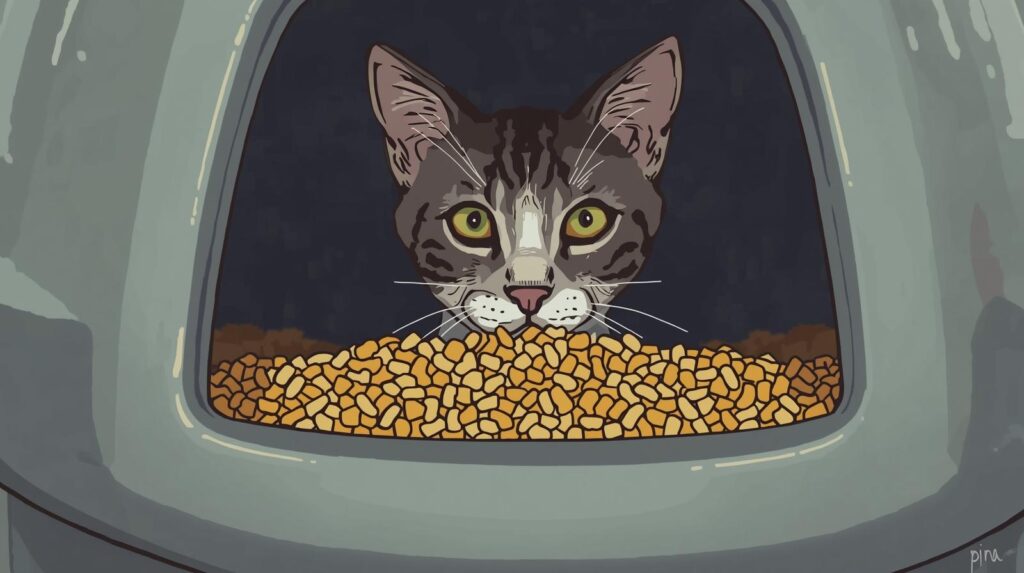
Choosing the right litter is not just about odour control or clumping strength—it directly affects your cat’s health, comfort, and long-term wellbeing. One of the most common questions modern cat owners ask is: Is corn litter safe for cats?
Corn cat litter is often marketed as natural, eco-friendly, and non-toxic, making it appealing to owners who want safer alternatives to traditional clay litter. But safety is not always as simple as product labels suggest. While corn litter can be safe for many cats, it also carries hidden risks that are rarely explained clearly—especially when moisture, mold, allergies, or ingestion come into play. This in-depth guide breaks down everything cat owners truly need to know—from science and veterinary insights to real-world complaints and product comparisons—so you can make an informed decision based on facts, not marketing.
Table of Contents
What Is Corn Cat Litter and Why Is It So Popular?
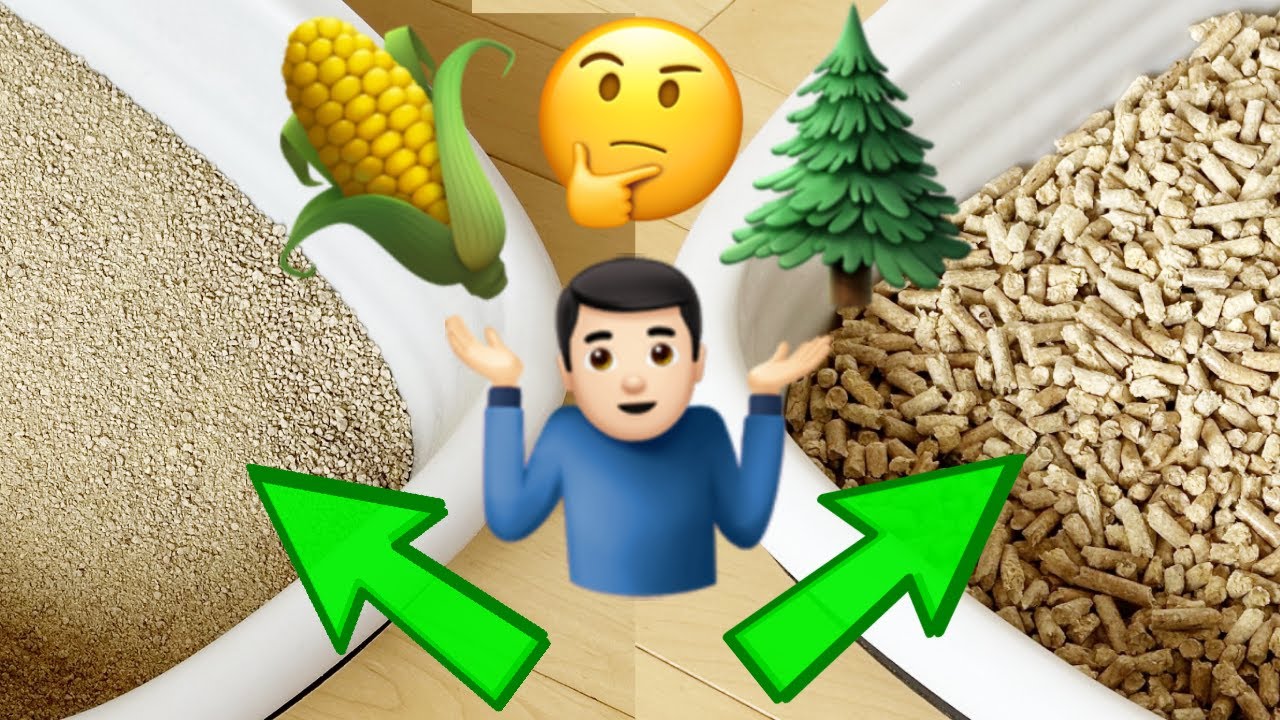
Corn cat litter is a plant-based cat litter made from processed corn kernels or corn by-products. It uses the natural absorbency of corn starch to absorb liquid and form clumps, replacing traditional bentonite clay litter. Because corn is renewable, this type of litter is commonly classified as a natural cat litter alternative and marketed as an eco-friendly cat litter option.
When liquid contacts the granules, the corn material swells and binds together, allowing easy scooping. Performance is similar to clumping clay litter, but with less weight and typically less dust. Some brands also label corn litter as biodegradable cat litter or flushable cat litter, though disposal safety depends on plumbing and manufacturer guidance.
How Corn Cat Litter Is Made
Corn litter is produced by grinding corn or corn residues into granules, then drying them to stabilise moisture content. Some manufacturers lightly process the material to improve odour control. Unlike clay litter, corn litter is not strip-mined and does not rely on chemical clumping agents.
Because it contains no bentonite clay, corn litter is commonly described as:
- Low-dust cat litter
- Lightweight cat litter
- Natural clumping cat litter
These characteristics strongly appeal to users searching for eco-friendly cat litter and alternatives to heavy clay products.
Why Corn Litter Has Gained Popularity
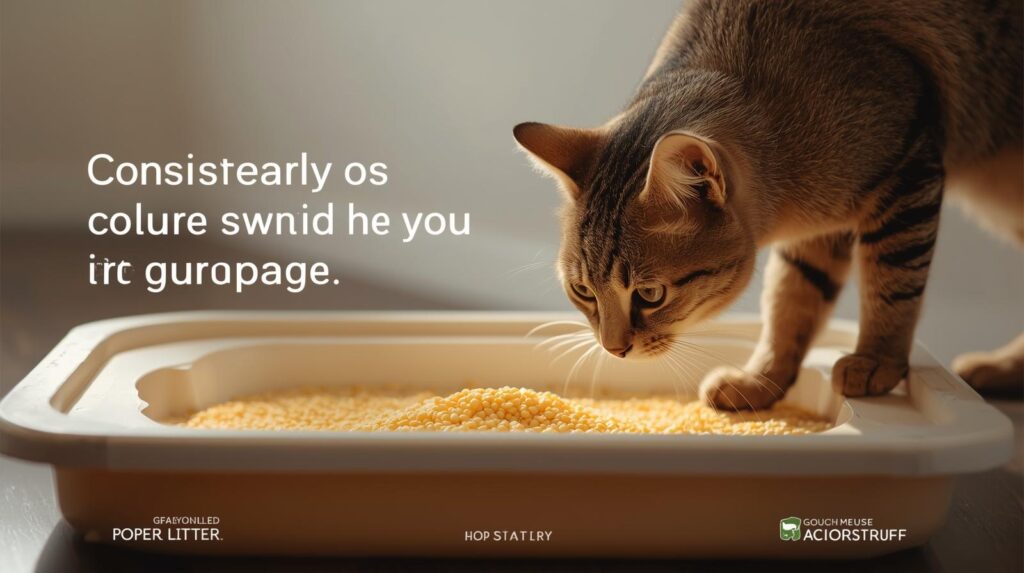
Corn litter became popular because it solves specific problems many owners experience with traditional litter.
1. Demand for Eco-Friendly Pet Products
Pet owners increasingly search for biodegradable pet products and sustainable cat litter. Corn litter aligns with this demand because it is:
- Made from renewable agricultural sources
- Biodegradable under controlled conditions
- Less environmentally damaging than strip-mined clay
This environmental appeal is a primary driver of adoption.
2. Lower Dust Than Clay Litter
Clay litter dust is a known irritant. It can:
- Affect feline respiratory health
- Trigger asthma symptoms
- Spread throughout the home
Corn litter is often marketed as low-dust or dust-free cat litter, making it attractive for:
- Cats with respiratory sensitivity
- Owners with allergies
- Small or poorly ventilated homes
This is why searches for safe cat litter for asthma often include corn litter.
3. Softer Texture for Paw Comfort
Corn litter granules are generally softer and lighter than clay. This can improve comfort for:
- Senior cats
- Cats with sensitive paws
- Cats are avoiding the litter box due to texture discomfort
Comfort directly affects litter box use, making texture a real behavioural factor—not a cosmetic one.
4. Effective Short-Term Odour Control
Fresh corn litter absorbs moisture efficiently, which helps reduce ammonia odour early in the litter cycle. When properly maintained, it can:
- Trap urine smells
- Keep the litter box fresher initially
- Avoid strong chemical fragrances
However, odour control declines quickly if moisture is not managed
5. Lightweight and Easier Handling
Corn litter weighs significantly less than clay litter. These benefits:
- Elderly pet owners
- Apartment residents
- Anyone managing multiple litter boxes
Searches for lightweight cat litter frequently lead users to corn-based options.
Marketing Claims vs Real-World Use
Corn litter is commonly promoted as:
- Non-toxic cat litter
- Chemical-free cat litter
- Pet-safe plant litter
While these claims are not false, they are incomplete. Corn litter is an organic material, meaning it is sensitive to moisture, heat, and storage conditions. Unlike synthetic litters, it can degrade, smell, or grow mold if mishandled.
This gap between marketing and real-world use explains why many owners later search:
- corn litter mold risk
- Corn litter smells bad
- Is corn litter actually safe?
Who Corn Cat Litter Is Best Suited For
Corn litter performs best for:
- Healthy adult cats
- Low-humidity homes
- Owners who scoop daily
- Users seeking natural cat litter alternatives
It is often unsuitable for:
- Kittens
- Cats that eat litter
- Cats with asthma or allergies
- Owners wanting low-maintenance litter
This distinction is essential when evaluating whether corn litter is safe for cats, because safety depends on use conditions, not just ingredients.
Is Corn Litter Safe for Cats? (Direct Answer)
Corn litter can be safe for cats, but only when:
- Litter boxes are scooped daily
- Moisture is strictly controlled
- The cat has no respiratory or ingestion risks
It is not ideal for kittens, litter-eaters, cats with asthma, or humid households.
Primary safety concerns include:
- Mold growth
- Aflatoxin exposure
- Ingestion risk
- Allergic reactions
Hidden Safety Risks Many Articles Ignore
Aflatoxins in Corn Cat Litter
Aflatoxins are toxic byproducts of Aspergillus mold that can grow on corn when moisture and warmth are present.
Why aflatoxins matter:
- Highly toxic at low levels
- Cause liver damage
- Associated with vomiting, lethargy, and jaundice
- Risk increases when litter stays damp
Corn litter is not toxic by default, but wet litter boxes create risk conditions.
Moisture Sensitivity and Mold Risk
Corn litter absorbs moisture well—but retains it.
Risk factors include:
- Infrequent scooping
- Humid climates
- Poor ventilation
- Damp storage areas
Prolonged moisture can lead to:
- Invisible mold spores
- Sour or musty odours
- Clump breakdown
- Reduced safety over time
This makes litter box hygiene more critical than with clay or silica.
Veterinary Perspective on Corn Litter
Veterinarians generally view corn litter as:
- Acceptable for many adult cats
- Higher maintenance than clay
- Risky in respiratory-sensitive cats
Vets often advise avoiding grain-based litters in homes with:
- Asthmatic cats
- Immunocompromised cats
- Cats with digestive history
Symptoms to monitor:
- Vomiting or diarrhoea
- Appetite loss
- Lethargy
- Jaundice
- Increased coughing or sneezing
Corn Litter and Cat Allergies
Corn litter is not universally hypoallergenic.
Possible sensitivity signs:
- Paw licking
- Skin redness
- Sneezing
- Increased scratching
- Litter avoidance
If symptoms appear after switching, consider non-grain litter alternatives such as:
- Wood pellet litter
- Paper litter
- Tofu cat litter
- Silica crystal litter
Can Cats Eat Corn Litter?
Corn litter is not designed for ingestion.
Repeated eating can cause:
- Digestive upset
- Vomiting or diarrhoea
- Rare intestinal blockage
- Increased toxin exposure if mold is present
If a cat eats litter regularly, corn litter should be avoided.
Real-World Owner Complaints
Common issues reported by users:
- Excessive tracking
- Moldy smell after several days
- Cats attempting to eat litter
- Rapid odour breakdown
- Digestive reactions in sensitive cats
Performance varies widely based on household conditions.
Corn Litter vs Other Cat Litters (Safety)
Corn vs Clay
- Corn: lower dust, mold risk if wet
- Clay: better odour control, higher dust
Corn vs Silica
- Silica: excellent moisture control, minimal mold
- Corn: safer texture, higher humidity risk
Corn vs Tofu
- Tofu: safer if ingested, low mold risk
- Corn: cheaper, higher maintenance
Corn vs Wood Pellets
- Wood: low tracking, low mold
- Corn: better clumping, more tracking
All grain-based litters require strict moisture control.
Best Practices If You Use Corn Litter
- Scoop daily
- Remove wet clumps immediately
- Replace fully every 7–10 days
- Store in airtight containers
- Avoid humid storage areas
Discard litter immediately if:
- Smell turns sour or musty
- Clumps fall apart
- Discoloration appears
- Bugs or flies appear
Is Corn Litter Safe for Special Cats?
Kittens
Not recommended due to ingestion and mold risk.
Senior Cats
May work if mobility and hygiene are well managed.
Cats With Asthma
Generally not advised due to mold exposure risk.
Cats With Allergies
May cause skin or respiratory reactions.
Litter-Eating Cats
Unsafe due to ingestion risk.
Cats With Liver or Digestive Disease
Higher vulnerability to aflatoxins—avoid if possible.
Multi-Cat Homes
Requires very frequent cleaning; often impractical.
Environmental Benefit vs Cat Safety
Corn litter is:
- Renewable
- Biodegradable
- Lower impact than clay mining
But environmental benefits never outweigh health risks.
The safest litter is the one that matches:
- Your climate
- Your cleaning habits
- Your cat’s medical profile
Vet-approved Products
1. World’s Best Cat Litter – Corn‑Based Clumping Litter
- A popular corn‑based cat litter known for strong clumping, effective odour control, and low dust performance compared with traditional clay.
- Benefits: Lightweight, biodegradable cat litter, easy scooping, and generally well‑accepted by many cats.
- Good for: Owners seeking a plant‑based clumping solution with low respiratory irritation risk when well-maintained.
- Use with caution: Must be stored dry to limit mold growth.
2. Sustainably Yours Multi‑Cat Plus Corn/Cassava Litter
- Corn plus cassava formula that clumps securely and reduces tracking.
- Benefits: Corn/cassava blend offers clumping performance closer to clay but remains plant‑based and is lighter & dust‑reduced.
- Good for: Multi‑cat homes where odour control and clump integrity are priorities.
- Vet Tip: Maintain daily scooping to reduce moisture buildup.
3. Ökocat Natural Wood Clumping Litter
- A wood fibre litter that vets commonly recommend as an alternative for respiratory sensitivity due to extremely low dust.
- Benefits: Very low dust, strong odour absorption, biodegradable wood fibre, and minimal tracking.
- Good for: Allergy‑prone cats, households with breathing concerns, and owners focused on sustainability.
Further Readings You May Need
FAQs
What makes corn litter safe or unsafe for cats?
Corn litter is considered safe for many healthy adult cats when used correctly, but its safety depends on moisture control, hygiene, and the cat’s behaviour.
The primary safety benefit is that it is a low-dust, plant-based litter, which can reduce respiratory irritation compared to clay.
The main risks come from moisture retention, which can allow mold growth and potential aflatoxin exposure if litter is not scooped frequently. Cats that eat litter, kittens, or cats with asthma face a higher risk.
Why do some veterinarians caution against corn litter for cats?
Veterinarians don’t universally oppose corn litter, but many urge caution, especially in humid environments or for medically sensitive cats.
The concern is not the corn itself—it’s what happens after exposure to urine and humidity.
Vet-identified concerns include:
Increased risk of mold spores
Potential aflatoxin toxicity from contaminated corn
Ingestion risk due to food-like smell and texture
Unsuitability for cats with asthma, allergies, or liver disease
This is why vets often recommend strict hygiene or alternative litters for high-risk cats.
How does moisture affect corn litter safety for cats?
Moisture is the single biggest factor affecting whether corn litter stays safe.
Once corn litter remains wet for extended periods, it can:
Lose clumping strength
Develop invisible mold
Produce sour or musty odours
Become unsafe for prolonged exposure
Homes with high humidity, infrequent scooping, or poor litter box ventilation see problems much faster. This is why corn litter requires daily scooping and regular full changes to remain safe.
When should you avoid using corn litter for cats?
Corn litter should generally be avoided when:
The cat eats litter
The cat is a kitten
The cat has asthma or respiratory disease
The cat has digestive or liver conditions
The home is humid, and daily scooping isn’t realistic
The household has multiple cats with heavy litter use
In these cases, non-grain alternatives such as paper, wood pellets, tofu, or silica litter are often safer and more predictable.
Where does mold risk come from in corn cat litter?
Mold risk originates from the organic nature of corn. Corn is naturally susceptible to fungal growth when exposed to:
Moisture
Warm temperatures
Poor airflow
Long-standing urine clots
This risk doesn’t mean all corn litter is dangerous—but it explains why storage, scooping frequency, and environment matter more with corn than with mineral-based litters.
Wrap-Up: So, Is Corn Litter Safe for Cats?
Corn litter is not inherently dangerous, but it is also not universally safe. For many healthy adult cats, it can work well only when used correctly—with strict hygiene, daily scooping, proper storage, and a dry home environment. Its low dust, soft texture, and eco-friendly appeal explain why so many cat owners are drawn to it.
However, corn litter carries real, often overlooked risks. Because it is an organic, grain-based material, it is vulnerable to moisture, mold growth, and potential aflatoxin exposure if conditions are not ideal. These risks increase significantly for kittens, cats that eat litter, cats with asthma or allergies, senior cats with weakened immune systems, and households that cannot maintain frequent cleaning.
The most important takeaway is this: corn litter safety depends more on the cat and the home than on the product itself. Marketing labels like “natural” or “non-toxic” do not replace proper use, careful observation, or honest evaluation of your cat’s needs.
If you:
- Scoop daily
- Keep litter dry
- Live in a low-humidity environment
- Have a healthy adult cat with no history of litter ingestion
Corn litter may be a reasonable choice.
If not, safer alternatives such as paper, wood pellets, tofu, or silica litter may offer greater consistency and lower risk. Ultimately, the right litter is the one that protects your cat’s health, comfort, and long-term well-being—not just the environment or convenience. That’s why asking “is corn litter safe for cats?” isn’t just smart—it’s necessary.