Collecting a stool sample from your cat seems simple… until the moment you realise there’s litter stuck to it, scattered around it, or mixed inside it. And suddenly the panic begins:
Can a cat’s stool sample have litter on it? Will the vet reject it? Will the test still work?
These are real worries, and every cat owner faces them at least once. The truth is this: even the smallest mistake can affect lab accuracy, parasite detection, and even force a retest. That means extra cost, extra stress, and delayed treatment for your cat.
Table of Contents
How to Collect a Clean Cat Stool Sample Without Litter Contamination
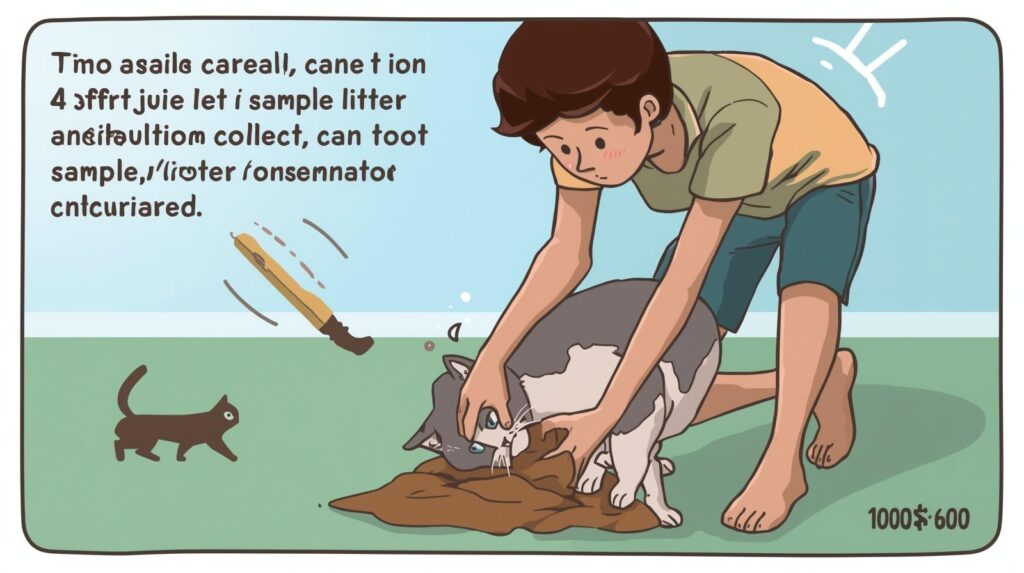
Collecting a clean cat stool sample sounds easy… until you actually try it. Most cat parents discover the same problem: the stool touches litter, picks up grains, absorbs dust, or breaks apart while scooping. And because stool testing requires accuracy, even a small amount of litter can interfere with parasite detection, bacterial analysis, and lab integrity.
This section gives you a vet-level, step-by-step guide on how to collect a stool sample with zero or minimal litter contamination, while comparing different methods so you can choose the safest option for your home.
Why a Clean Sample Matters More Than You Think
A clean sample isn’t just for neatness—it directly affects how your vet reads the results. Litter contamination can:
- Break the stool texture and cause false negatives
- Hide Giardia cysts, roundworm eggs, or Coccidia oocysts
- Absorb moisture and change the chemical composition
- Introduce foreign particles into the lab equipment
- Force a retest that costs both time and money
This is why vets often say, “Try your best to bring the stool as clean as possible.”
3 Best Ways to Collect a Clean Cat Stool Sample (Ranked + Compared)
Below is the comparison table of the three safest and most reliable collection methods used by cat owners, technicians, and veterinarians:
| Method | Cleanliness Score | Risk of Litter | Best For | Difficulty |
|---|---|---|---|---|
| Litter-Free Tray Method | Excellent | Zero | Perfect sample | Easy |
| Disposable Glove Method | Very Good | Low | Nervous cats | Easy |
| Scoop Method (Traditional) | Good | Medium | Quick collection | Moderate |
Let’s break them down so you know exactly how each method works.
Method 1: Litter-Free Tray Method (The Vet-Preferred Technique)
This method gives the cleanest, 100% litter-free sample and is recommended for parasite testing, PCR panels, and Giardia-specific tests.
How It Works
You place a shallow, disposable tray or litter box liner inside your cat’s litter area. The cat still thinks they are using the litter box, but instead of the stool landing on the litter, it lands directly on the tray.
Steps
- Take a shallow aluminium, plastic, or paper tray (even food-grade trays work).
- Place it on top of the litter layer, covering only part of the box so your cat doesn’t feel nervous.
- Wait for your cat to poop within the next 12–24 hours.
- Remove the stool using a sterile scoop or gloves.
- Transfer to a veterinary sterile sample cup.
- Keep in a cool environment until delivering to your vet.
Why It Works Best
- No litter touches the stool
- No dust, silica, or clay absorbs moisture
- Stool shape and texture remain unchanged
- Perfect for delicate tests like faecal flotation, wet mounts, and PCR panels
If you’re dealing with a cat who refuses to cooperate with a tray, try this next method.
Method 2: Disposable Glove Method (Low Risk, High Control)
This method works well for cats that prefer privacy or are picky about their litter box setup.
How It Works
You simply wear gloves, pick up the stool directly with your hand, and avoid scooping up litter.
Steps
- Put on disposable gloves (latex-free preferred).
- Gently lift the stool while avoiding contact with the surrounding litter.
- Shake lightly to remove small grains that might cling.
- Place the stool into the sterile container.
- Seal and label (cat name, date, time).
Why It’s Effective
- Direct hand control reduces contamination
- Perfect for a firm stool
- The best method when using clumping litter, because scoops tend to drag grains along
Limitations
- Soft or loose stool is harder to pick up cleanly
- Cats may not allow you to approach immediately
If the glove method feels tricky, the scoop method is your next fallback.
Method 3: The Scoop Method (Traditional but Requires Care)
This is the most common method used by cat parents, but also the most likely to introduce litter contamination if done incorrectly.
How It Works
You use a small scoop or spatula to lift the stool out of the litter box.
Steps
- Use a flat-edged scoop, not a slotted one.
- Slide the scoop under the stool in one slow motion.
- Gently tilt to release loose grains.
- Place the sample into your sterile cup.
- Double-bag the container to avoid contamination spills.
Tips to Reduce Contamination
- Avoid digging into the litter
- Target stool that sits on top of the litter, not buried
- Never use a dirty or old scoop
- Avoid clumping litter if possible, because particles stick easily
Pro-Level Techniques to Guarantee a Cleaner Sample
Even if you use the best method, these extra techniques dramatically increase your chances of a clean sample:
1. Switch to Biodegradable Litter for 24 Hours
Litters like pine, corn, or paper pellets do not stick to stool, making them ideal for sample collection days.
2. Line the Litter Box with Plastic Wrap or Foil
This is a trick used by shelter workers:
- Tape a layer of plastic wrap over half the litter box
- Pour a thin layer of litter under the wrap
- Cat still feels like they’re digging, but stool lands on the wrap
3. Watch the Litter Box Routine
Cats usually poop on a schedule. If you know the timing, you can collect the stool immediately before it touches litter.
4. Use a Secondary Temporary Box
Set up a clean, empty litter box for one-time use.
Cats will often use it if placed beside their usual box.
5. Keep the Sample Fresh
The fresher the sample, the lower the risk of contamination from the box environment.
What to Avoid (Most Common Contamination Mistakes)
- Scooping too aggressively
- Using a slotted scoop
- Collecting old stool
- Allowing the stool to roll in litter
- Using contaminated containers or kitchen plastic
- Mixing multiple stool pieces (bad for accuracy)
When You MUST Have Zero Litter (Non-Negotiable Situations)
Some tests are extremely sensitive and require a perfectly clean sample:
- Giardia antigen test
- Coccidia examination
- PCR stool panels
- Bacterial culture tests
- Feline diarrhoea diagnostics
If your vet orders these tests, always use the litter-free tray method for best results.
What Happens If Your Cat’s Stool Sample Contains Litter at the Vet Lab?
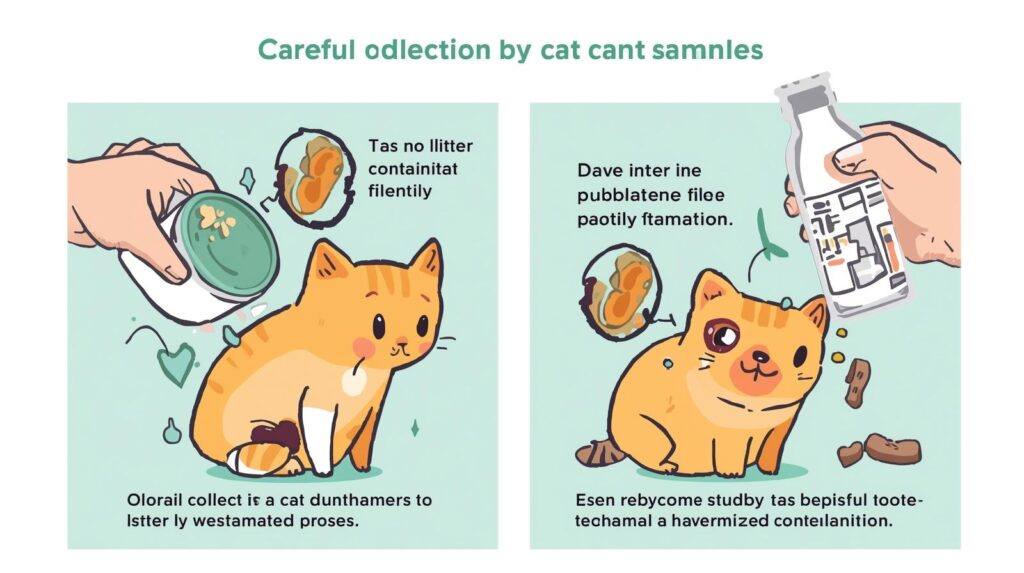
Most cat parents don’t realize this, but even a tiny amount of litter mixed into a stool sample can completely change what happens inside the vet lab. When your sample reaches the technician’s bench, it goes through a series of delicate steps—each designed to detect parasites, eggs, bacteria, viruses, and digestive abnormalities. Any foreign material, especially clumping litter, can interfere with these tests in ways many people never learn until a vet explains it.
Below is a clear, real-life breakdown of what actually happens behind the scenes when your cat’s stool sample contains litter, and why vets sometimes accept it—and sometimes don’t.
1. The Vet Lab First Assesses the Sample Quality
The first thing a lab technician checks is the overall condition of the stool:
- Freshness
- Texture
- Moisture level
- Presence of debris
- Visible litter contamination
If the sample has only a dusting of non-clumping litter, labs usually proceed.
If it contains clumps, hardened granules, or scented crystal pieces, they may need to stop right there.
This first assessment decides whether the sample is usable or contaminated.
2. Litter Can Disrupt the Flotation Process (The Most Common Test)
Most parasite tests rely on a delicate method called a faecal flotation test. A solution is added that causes parasite eggs to rise to the surface, where they can be inspected under a microscope.
But here’s the problem:
Clumping litter absorbs the flotation solution.
This makes the mixture:
- too thick,
- uneven,
- or impossible to view clearly.
So if your sample contains clumping litter, the flotation chamber may fail to separate parasite eggs, leading to:
- False negatives
- Missed parasite infections
- Inaccurate or incomplete results
Your vet can only make decisions based on what the lab sees, so a contaminated sample can delay diagnosis.
3. Crystal Litter Can Damage Microscopic Equipment
If your cat uses silica gel (crystal litter), the tiny shards can scratch:
- microscope slides,
- lenses,
- or flotation chambers.
Labs sometimes reject these samples immediately because crystal litter can:
- distort microscopic images,
- create false “artefacts,”
- break equipment worth thousands.
So even if the stool is perfect, the litter makes it unusable.
4. Scented or Chemical Litter Can Mask Bacterial Growth
Bacterial stool tests require a natural, uncontaminated sample to allow specific bacteria to grow in controlled conditions.
However, many scented or deodorised litters contain chemicals that can:
- kill bacteria,
- change pH levels,
- disrupt cultures,
- or create false microbiome readings.
This means your vet may not get an accurate picture of digestive issues like:
- bacterial imbalance,
- vomiting causes,
- chronic diarrhoea,
- or poor nutrient absorption.
5. Labs Sometimes Need to Request a Fresh Sample
If the litter content is too high—or the test type is sensitive—your vet may need to request a fresh, litter-free sample.
They’ll usually tell you:
- Why the sample failed,
- What kind of litter caused issues?
- and how to prepare the next sample correctly.
This adds time, extra cost, and delays in treatment.
6. Mild Litter Contamination Is Sometimes Acceptable
Here’s the part most owners don’t know:
Labs can and often do analyse lightly contaminated samples, especially for:
- routine parasite checks
- simple visual exams
- basic screenings
If the litter is unscented, non-clumping, and only lightly dusted, technicians can often work around it.
So, contamination doesn’t always mean “automatic rejection.”
7. The Final Interpretation May Be Limited
Even if the lab accepts the sample, the report may include notes like:
- “Debris interfered with examination.”
- “Foreign material obstructed parasite detectio.n”
- “Sample quality suboptimal”
These warnings help vets interpret results cautiously.
8. Contaminated Samples Can Delay Diagnosis
This is the part that pet parents actually feel the most:
- Delayed treatment
- Repeat sample requests
- Extra transport time
- Additional vet fees
For cats showing symptoms—vomiting, diarrhoea, worms, poor appetite—time matters. A compromised stool sample slows everything down.
The Bottom Line: What Readers Need to Know
When a cat stool sample contains litter, the vet lab may:
- Accept it (if minor contamination)
- Try to salvage it (but results may be limited)
- Reject it (if clumping, crystal, or excessive litter is present)
Understanding what actually happens inside the lab helps cat owners realise why clean collection matters, how to avoid sample rejection, and how to help vets diagnose faster.
Why Is My Cat Peeing Outside the Litter Box?
Litter Box For Maine Coon Cats
how to pick a puppy from a litter
FAQs
What happens if a cat stool sample has litter on it?
If a cat stool sample has litter on it, the contamination can interfere with parasite detection and lab testing. Clumping litter absorbs moisture and may trap parasite eggs, while scented or chemical-laden litter can alter bacterial or antigen results. Minor, unscented litter specks may still be usable, but the cleanest portion from the stool’s centre is preferred to ensure accuracy.
How to collect a cat stool sample without litter contamination?
Use a sterile container, disposable scoop, and gloves. Collect the stool immediately after your cat defecates, pick from the centre portion, and avoid clumping or scented litter. Temporarily switching to non-clumping litter or paper-based litter 24 hours before collection can minimise contamination. Refrigerate the sample and deliver it promptly.
When should I provide a cat stool sample to the vet?
Ideally, provide a sample within 4–6 hours of collection. For best results, no later than 12 hours, especially if the cat is on medication or has diarrhoea. Fresh stool preserves parasite eggs, bacteria, and stool consistency, ensuring accurate faecal testing, parasite detection, and antigen tests.
Why do vets reject stool samples with too much litter?
Vets reject heavily contaminated samples because clumping or scented litter can:
Absorb the flotation solution
Trap parasite eggs
Alter bacterial cultures
Interfere with antigen or PCR testing
Even minor contamination can reduce accuracy, but excessive litter often results in false negatives or delayed diagnosis.
Where is the best place to collect a cat stool sample?
Collect the stool from a clean litter-free area if possible, or temporarily use a non-clumping or paper-based litter tray. Some vets recommend placing aluminium foil or puppy pads under a thin layer of litter to catch fresh stool, keeping it free from clumps or chemical contamination.
Who should handle a cat stool sample?
Anyone collecting the sample should wear disposable gloves and avoid touching the stool directly. Using vet-approved scoops or disposable spatulas prevents contamination. Children or untrained individuals should avoid handling it to reduce the risk of parasite exposure.
How much litter is acceptable on a stool sample?
The maximum safe contamination is 5% of the sample or just a few grains. Anything more can affect parasite testing and lab accuracy. The best practice is to scoop only the central portion of the stool, which is least likely to have litter attached.
Wrap Up-Ensuring Accurate Cat Stool Testing Starts With Litter-Free Samples
Collecting a clean, litter-free stool sample is more than just a chore—it’s a critical step in keeping your cat healthy. Whether you’re submitting a sample for parasite screening, bacterial culture, or advanced diagnostic testing, even minor contamination from clumping or scented litter can lead to false negatives, delayed treatment, or repeated vet visits.
By following the vet-approved methods outlined in this guide—using sterile containers, disposable scoops, gloves, and temporary non-clumping litter—you can provide your vet with a fresh, uncontaminated sample. Remember, the centre portion of the stool is your best bet, and delivering it promptly keeps parasite eggs and bacteria intact for accurate results.