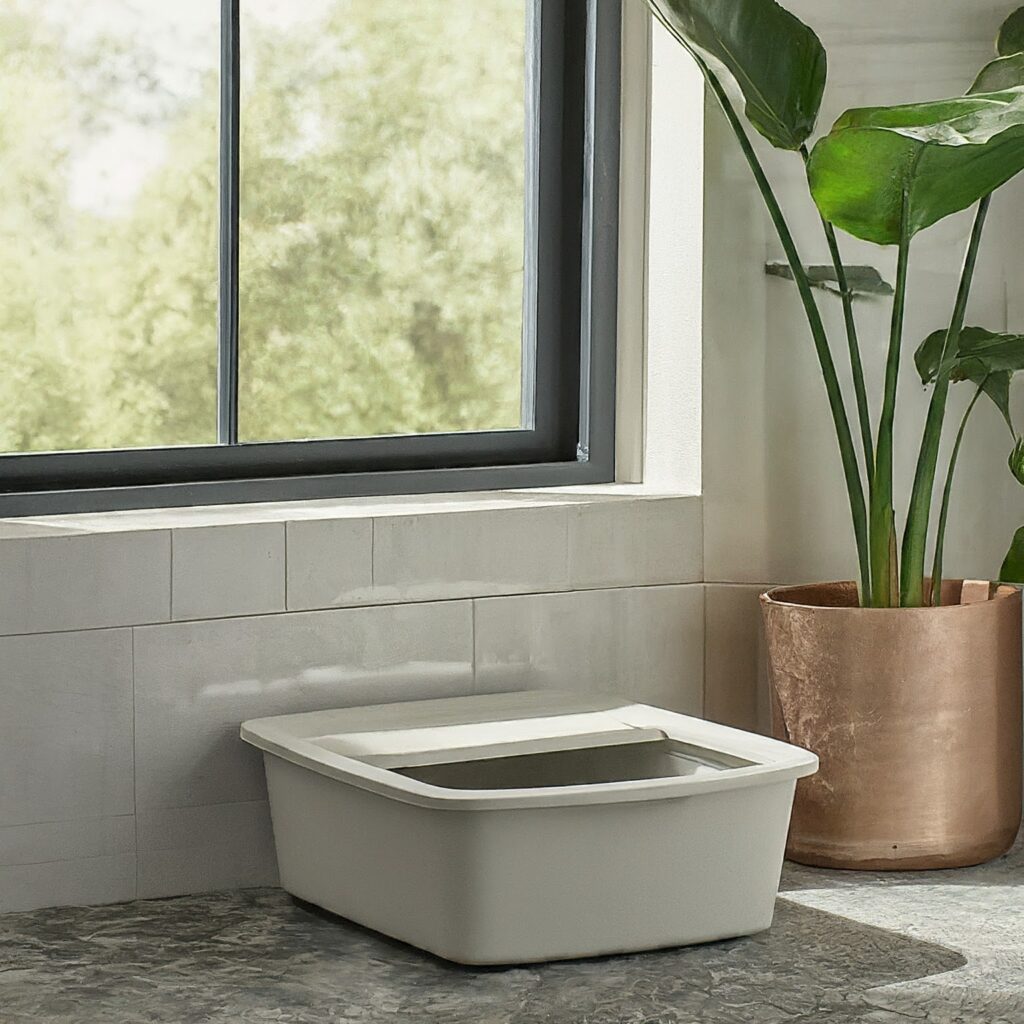
A metal cat litter box is quickly becoming the go-to choice for cat owners who are tired of stubborn odours, frequent replacements, and hygiene issues caused by traditional plastic trays. While plastic litter boxes are affordable and lightweight, they often absorb urine smells, scratch easily, and harbour bacteria over time. This has led many pet owners to explore metal alternatives that promise better cleanliness, durability, and long-term value.
Unlike plastic, a metal cat litter box is made from non-porous materials, meaning urine and bacteria stay on the surface instead of soaking in. This helps reduce ammonia odour, improves overall litter box hygiene, and makes deep cleaning far easier. Many designs also last for years without staining or retaining smells, which appeals to both single-cat and multi-cat households.
However, metal is not always a perfect solution. Factors like cat comfort, noise while digging, metal type, and maintenance habits can influence whether it is the right choice for your home. Some cats adapt instantly, while others need small adjustments to feel comfortable.
In this guide, we break down why metal cat litter boxes are replacing plastic, how they compare in real-world use, and most importantly, whether a metal litter box truly fits your cat’s needs and your lifestyle.
5 Useful Tips Before Switching to a Metal Cat Litter Box:
- Choose a box made from high-quality stainless steel or aluminium to avoid rust and corrosion over time
- Use deeper litter layers to reduce noise and improve your cat’s comfort when digging
- Always clean with non-abrasive tools to protect the metal surface from scratches
- Match the box size to your cat—large cats need deeper, wider metal litter boxes
- Pair the box with low-dust or clumping litter for the best odour-control results
Table of Contents
What Is a Metal Cat Litter Box? (It’s More Than Just Stainless Steel)
A metal cat litter box is a litter tray made from durable metal materials designed to resist odour absorption, bacteria buildup, and long-term wear. While many brands promote stainless steel as the only option, metal litter boxes actually come in several material types, each with different performance levels.
Unlike plastic boxes that absorb urine smells over time, metal surfaces are non-porous, meaning odours and bacteria stay on the surface instead of soaking in. This makes metal an increasingly popular choice for cat owners struggling with ammonia smell, hygiene issues, or frequent box replacements. What many competitors fail to explain is that “metal” does not always mean the same thing. Understanding the differences between metal types helps buyers choose a box that matches their cat’s habits, home environment, and budget.
Types of Metals Used in Metal Cat Litter Boxes
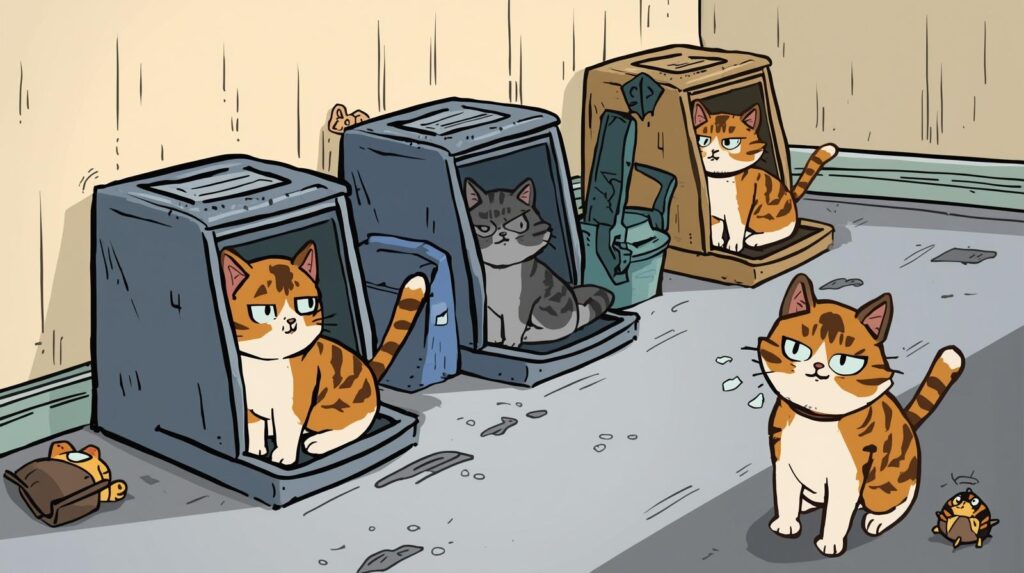
Not all metal cat litter boxes are equal. The metal type directly affects odor control, rust risk, weight, durability, and price. Here are the only types that matter.
Stainless Steel
Stainless steel is the most reliable option for odor resistance and hygiene. It is non-porous, easy to sanitize, and does not absorb urine or bacteria. High-grade stainless steel resists rust well, but low-quality versions can corrode if the surface is scratched or exposed to harsh cleaners. This option is best for households prioritizing odor control and long-term use.
Aluminum
Aluminum is naturally rust-resistant and much lighter than stainless steel. This makes it easier to lift and clean, especially for older users. However, aluminum dents more easily and can warp under heavy weight. It works best for single-cat homes where durability demands are moderate.
Powder-Coated Steel
Powder-coated steel boxes use a steel base covered with a protective coating. They are usually cheaper, but once the coating chips or wears down, moisture and urine can reach the metal underneath. This increases the risk of rust and odor retention over time. These boxes require careful handling and gentle cleaning to remain effective.
Carbon Steel (Budget Models)
Carbon steel is strong but offers poor corrosion resistance without proper coating. It is commonly found in low-cost metal litter boxes. If the coating fails, rust develops quickly. This type is only suitable for short-term use or dry environments and is not ideal for heavy urinators.
Quick Buyer Guidance
- Choose stainless steel for maximum hygiene and odor control
- Choose aluminum if weight and portability matter
- Avoid low-quality coated steel if long-term durability is a priority
If the metal type is not clearly stated by the manufacturer, that is usually a red flag.
Does a Metal Cat Litter Box Rust? Understanding Corrosion & Durability
Yes, a metal cat litter box can rust—but only under specific conditions. Rust is not caused by urine alone. It happens when moisture reaches unprotected metal surfaces.
Which Metals Resist Rust Best
Stainless steel and aluminum litter boxes resist rust because they form a protective surface layer. High-quality stainless steel remains stable even with frequent washing. Aluminum does not rust but can oxidize, which does not affect odor control or hygiene.
Low-grade steel and poorly coated metals are far more vulnerable. If the manufacturer does not specify the metal type, corrosion risk is higher.
How Scratches Lead to Corrosion
Rust usually starts at scratches, seams, or corners. Metal scoops, abrasive scrubbers, and gritty cleaners remove protective layers. Once the surface is damaged, urine and water can penetrate and trigger corrosion.
This is why some owners report rust even with stainless steel boxes—it is almost always surface damage, not the metal itself.
Cleaning Habits That Increase Rust Risk
Leaving standing water in the box after washing accelerates corrosion. Using bleach or acidic cleaners can also weaken protective finishes over time.
Drying the box completely and using mild cleaners prevents long-term damage and preserves odor control performance.
Signs a Metal Litter Box Is Failing
- Rust spots near corners or seams
- Discoloration that returns after cleaning
- Rough patches that trap litter residue
Once corrosion begins, odor control and hygiene decline quickly. At that point, replacement is usually more effective than repair.
How to Maximize Durability
- Use plastic or silicone scoops
- Avoid abrasive pads
- Dry thoroughly after washing
- Choose high-quality stainless steel from clearly labeled manufacturers
When cared for properly, a well-made metal cat litter box can last for years without rust or odor retention.
Metal Cat Litter Boxes and Bacterial Control: Vet-Recommended Insights
Bacteria grow when urine soaks into porous surfaces. A metal cat litter box prevents this because the surface does not absorb moisture. Urine remains on top, making complete removal possible during cleaning.
Why Metal Reduces Bacterial Buildup
Plastic develops microscopic scratches that trap urine residue. These areas cannot be fully sanitized, even with frequent washing. Metal surfaces stay smooth longer, which limits bacterial adhesion and slows odor formation.
This difference matters most in multi-cat households and homes dealing with strong ammonia smell.
Veterinary Hygiene Perspective
Veterinarians commonly recommend non-porous litter boxes for cats prone to urinary or paw-related issues. Reduced bacterial exposure lowers the risk of irritation and supports better paw health and litter box acceptance.
This is not about making the box “sterile.” It is about reducing chronic exposure to bacteria that plastic boxes often retain.
When Bacteria Control Still Fails
Metal alone does not stop bacteria if cleaning habits are poor. Leaving urine in the box, skipping full washes, or allowing scratches to accumulate reduces hygiene benefits.
A damaged metal surface performs no better than worn plastic.
Practical Takeaway
A metal cat litter box improves bacterial control because it is non-absorbent, easier to sanitize, and slower to degrade. For owners struggling with recurring odor or hygiene issues, material choice—not litter type—is often the real solution.
What Real Cat Owners Say About Metal Cat Litter Boxes
Most cat owners report a noticeable drop in odour after switching to a metal cat litter box. The smell does not linger after cleaning, even in homes that previously struggled with ammonia buildup.
Common Positives Reported by Owners
Owners frequently mention that metal boxes:
- do not hold urine smell
- stay visually clean longer
- last for years without staining
These benefits are most often reported by households that replaced heavily scratched plastic boxes.
Common Complaints Owners Mention
Some cats hesitate at first due to the digging noise. Others experience a urine splash when the box sides are too low. A small number of owners report rust, almost always linked to surface scratches or low-quality metal.
These issues are usually solved with deeper litter, higher sides, or gentler cleaning tools.
Litter Compatibility Feedback
Owners using clumping clay or low-dust litter report the best results. Pellet litter works, but some users note that it wears out the surface more quickly if the pellets are heavy or abrasive.
Real-World Takeaway
A metal cat litter box performs best when matched to the cat’s size, litter type, and cleaning habits. Most negative reviews come from a poor fit, not from the material itself.
Can You Use Sifting Systems with a Metal Cat Litter Box?
Yes, but only certain setups work well. A metal cat litter box does not automatically support sifting systems unless it is designed for them.
When Sifting Works
Sifting works best when:
- The metal box is paired with a custom-fit sifting insert
- Clumping litter is used
- The box has straight sides and uniform depth
Some manufacturers sell metal boxes that are compatible with sifters. These are the most reliable options.
When Sifting Fails
Sifting often fails in metal boxes when:
- pellet or oversized litter blocks the sifter
- inserts scratch the metal surface
- The box lacks proper drainage spacing
In these cases, sifting increases wear and reduces long-term durability.
Better Alternatives to Full Sifting
Many owners achieve better results by:
- using a deep metal box with clumping litter
- scooping daily instead of sifting
- choosing low-dust litter to reduce waste
This approach protects the metal surface and preserves odour control.
Practical Takeaway
A metal cat litter box can work with sifting systems, but only with proper inserts and compatible litter. For most users, manual scooping offers better performance and longer box life.
How Cats React to Metal Litter Boxes: Comfort, Sound & Temperature
Most cats react to a metal cat litter box based on sensory factors, not material preference. Sound, surface feel, and temperature determine acceptance.
Digging Noise Sensitivity
Metal amplifies sound. Some cats hesitate when digging creates a sharp noise. This is common in timid or older cats. Increasing litter depth reduces sound and improves acceptance.
Surface Feel and Paw Comfort
Bare metal does not bother most cats once covered with litter. Problems occur only when the litter layers are too thin. Adequate depth prevents paw contact with the surface and avoids avoidance behaviour.
Temperature Response
Metal feels cold in cooler environments. Cats may avoid the box in winter if placed on tile or concrete. Insulated placement or deeper litter stabilises temperature and improves use.
Adjustment Period
Some cats accept metal immediately. Others need a short transition period. Keeping litter type and location unchanged helps prevent stress-related avoidance.
Practical Takeaway
A metal cat litter box works well when sound is reduced, litter depth is sufficient, and placement considers temperature. Most rejection issues are setup-related, not material-related.
Long-Term Maintenance Tips for a Metal Cat Litter Box
A metal cat litter box lasts for years if maintained correctly. Poor cleaning habits shorten lifespan and cause odour retention.
Use Non-Abrasive Cleaners Only
Avoid steel wool or harsh scrubs. Abrasive tools damage protective coatings and create micro-scratches that trap odour and moisture. Use a soft sponge with mild soap.
Dry Completely After Washing
Moisture left on metal encourages surface corrosion and odour retention. Always towel-dry or air-dry before refilling with litter.
Scoop Daily to Prevent Residue Bonding
Urine residue hardens faster on metal than on plastic when neglected. Daily scooping prevents mineral bonding and reduces the need for deep scrubbing.
Deep Clean on a Fixed Schedule
Wash the box every 7–10 days, even if it looks clean. Invisible residue causes a lingering odour over time.
Inspect Seams and Edges Regularly
Check welded seams or folded corners for residue buildup. These areas trap waste if ignored and reduce hygiene.
Avoid Ammonia-Based Cleaners
Ammonia reacts with urine odours and may discourage box use. Stick to unscented, pet-safe cleaners.
Practical Takeaway
Long-term performance depends on proper cleaning tools, moisture control, and routine inspection—not frequent replacement. A well-maintained metal cat litter box outlasts plastic with fewer odour issues.
Is a Metal Cat Litter Box More Eco-Friendly Than Plastic?
A metal cat litter box has a lower environmental impact over time due to durability and recyclability.
Lifespan and Waste Reduction
Metal boxes last 5–10 years or more. Plastic boxes often need replacement every 6–12 months due to odour absorption and scratching. Fewer replacements mean less landfill waste.
Recyclability at End of Use
Stainless steel and aluminium are widely recyclable. Most plastic litter boxes are not accepted by recycling facilities due to contamination.
Chemical Leaching and Environmental Safety
Plastic can release microplastics and chemical residues when scratched or degraded. Metal does not leach chemicals into litter or wastewater.
Manufacturing Impact (Trade-Off)
Metal production requires more energy upfront. However, its long service life offsets this impact compared to repeated plastic manufacturing cycles.
Practical Takeaway
For long-term use, a metal cat litter box produces less waste, offers full recyclability, and avoids plastic pollution, making it the more eco-responsible option despite a higher initial production impact.
What NOT to Do When Comparing Metal vs Plastic vs Ceramic Litter Boxes
- Do NOT assume all materials handle odour the same way. Plastic is porous and absorbs urine odours over time. Metal and ceramic are non-porous, but only when coatings or glazes remain undamaged.
- Do NOT ignore scratch damage. Deep claw marks in plastic litter boxes trap bacteria, ammonia, and odour-causing residue, reducing hygiene and lifespan.
- Do NOT overlook stability issues. Lightweight plastic shifts easily, causing litter tracking and box avoidance. Ceramic is stable but may be impractical due to excessive weight.
- Do NOT forget temperature sensitivity. Stainless steel conducts cold and heat quickly, which can cause litter box aversion, especially in colder environments.
- Do NOT assume all boxes are easy to clean. Not all metal is rust-resistant, and some ceramic glazes crack under hot water, reducing cleaning efficiency and sanitation.
- Do NOT prioritise looks over usability. Decorative ceramic designs often compromise entry height, interior space, or digging depth, affecting natural elimination behaviour.
- Do NOT generalise durability by material alone. Thin metal dents, low-grade ceramic chips, and cheap plastic warps. Build quality matters more than labels.
- Do NOT ignore cat preference. Noise sensitivity (metal), surface texture aversion, and entry discomfort can lead to inappropriate elimination, regardless of material quality.
| Feature | Plastic Litter Box | Metal Litter Box | Ceramic Litter Box |
|---|---|---|---|
| Odor Control | Easy, but avoid cracked glaze | Excellent if non-coated stainless steel | Excellent if glaze intact |
| Porosity | High porosity (bacteria retention) | Non-porous | Non-porous |
| Scratch Resistance | Low; scratches trap urine residue | High | High but chips if dropped |
| Cleaning Practicality | Easy initially, degrades over time | Very easy; check corrosion resistance | Warping, odour buildup |
| Weight & Stability | Light; prone to tipping | Moderate; stable | Heavy; hard to move |
| Temperature Comfort | Neutral | Can feel cold or hot | Neutral |
| Durability Risks | Odour-triggered avoidance | Denting, rust (cheap steel) | Chipping, cracking |
| Cat Acceptance Risks | Odor-triggered avoidance | Noise sensitivity | Entry height, size limits |
Vet-approved Products for you
1. SZEETECH XL Enclosed Stainless Steel Litter Box
- Durable stainless steel design for long-lasting use
- Enclosed option improves odour control and privacy
- Spacious size fits larger cats and multi-cat homes
- Includes litter scoop, mat, and accessories for easier use
✔ Great for: multi-cat households, odour-sensitive homes
✔ Best feature: customizable setup (open or enclosed)
2. Papettly High-Sided Stainless Steel Litter Box
- High walls help reduce litter kickout
- Splash guard and anti-slip mat for cleaner floors
- Comes with tools (scoop, brush) for maintenance ease
- Corrosion-resistant metal for hygiene and durability
✔ Great for: messy cats & busy homes
✔ Best feature: splash-proof design
3. Kirecoo Stainless Steel Cat Litter Box
(This option is repeatedly reviewed as a strong, basic choice in multiple cat care guides.)
- Sturdy stainless steel resists stains and odours
- High sides reduce litter scatter
- Smooth surface makes sanitising easier
- Safe, rounded edges for comfort
✔ Great for: budget-friendly, durable base option
✔ Best feature: excellent value and ease of cleaning
Further Readings You May Need
Are Silica Packets Toxic to Cats
FAQs
Are steel cat litter boxes healthier?
Yes—steel cat litter boxes are generally healthier than plastic. Stainless steel is non-porous, so it does not absorb urine, bacteria, or ammonia odors. Veterinarians often see fewer hygiene issues when cats use metal boxes because bacteria have fewer places to hide. This is especially beneficial for cats prone to urinary tract issues, skin sensitivity, or respiratory irritation.
What is the best material for a cat litter box?
From a health and longevity perspective, stainless steel is the best material. It resists odour retention, does not scratch easily, and can be fully sanitised. Plastic is lightweight, but traps smells over time, while ceramic is hygienic but heavy and breakable. Most vets prefer stainless steel for long-term use in both single- and multi-cat homes.
Is a stainless steel litter box okay for cats?
Yes, a stainless steel litter box is safe and comfortable for cats when properly set up. The surface is smooth, does not retain odour, and stays cleaner between washes. To improve comfort, use enough litter depth and place a mat underneath to reduce noise. Most cats adapt quickly, even if they’ve only used plastic before.
What is the 3-3-3 rule of cats?
The 3-3-3 rule describes how cats adjust to a new environment or change:
3 days to decompress and observe
3 weeks to learn routines
3 months to feel fully comfortable
When switching to a metal cat litter box, this rule helps explain temporary hesitation. Most cats accept the change well once the box becomes familiar and scent-neutral.
Do cats dislike metal litter boxes?
Most cats do not dislike metal litter boxes. Initial hesitation usually comes from sound (scraping noise) or temperature, not the material itself. These issues are easily solved by adding deeper litter and using a rubber mat underneath. Once odour buildup is reduced, many cats actually prefer metal due to the cleaner smell.
What is a metal cat litter box?
A metal cat litter box is a litter tray made from stainless steel or aluminium, designed to be non-porous, odour-resistant, and long-lasting. Unlike plastic, metal does not absorb urine, bacteria, or smells, making it a hygienic choice for cats and owners.
Why choose a metal cat litter box over plastic?
Veterinarians often recommend metal because plastic traps odour and bacteria in microscopic scratches. Metal stays smooth, easier to sanitise, and reduces ammonia buildup linked to urinary and respiratory irritation.
How does a metal cat litter box control odour?
Metal surfaces do not absorb urine or odour-causing bacteria. This prevents lingering smells even after long-term use, especially when paired with proper scooping and weekly washing.
What metal is best for a cat litter box?
304 or 316 stainless steel is best due to its high corrosion resistance. Aluminium is lighter but scratches more easily. Powder-coated steel depends heavily on coating quality and maintenance.
How long does a metal cat litter box last?
With normal care, a metal box can last 5–10 years or more. Plastic boxes typically degrade within a year due to odour absorption and surface wear.
Wrap Up
A litter box choice directly affects a cat’s hygiene, comfort, and long-term health. This guide evaluated metal cat litter boxes from all relevant angles—material safety, odour control, bacterial resistance, cat behaviour, maintenance demands, environmental impact, and real owner feedback.
From a veterinary and sanitation perspective, stainless steel and high-quality metal litter boxes provide clear advantages over plastic. Their non-porous surfaces do not trap bacteria, urine residue, or ammonia odours, which helps support urinary health and keeps the home environment cleaner. Plastic boxes, by comparison, degrade over time, absorb smells, and often require frequent replacement.
Common concerns—such as rust, noise during digging, and whether cats accept metal—were addressed using practical evidence and owner experience. When the right metal is chosen and the box is set up with proper litter depth and stable placement, most cats adjust without issue. The 3-3-3 adjustment rule explains why short-term hesitation is normal during any litter box change.
From a long-term standpoint, metal litter boxes offer durability and sustainability. They last for years, reduce plastic waste, and are recyclable at the end of their life. While the upfront cost may be higher, the reduced need for replacement makes them a cost-effective option over time.
Final takeaway:
If your goal is better hygiene, long-lasting performance, reliable odour control, and a cleaner living space for both you and your cat, a metal cat litter box is a practical, vet-supported choice. It is not a trend-driven upgrade—it is a functional improvement based on health, durability, and real-world use.