Seeing white mold on your cat’s poop can be alarming. Many cat owners immediately worry about infections, parasites, or serious health problems. The sight alone feels unhygienic and raises an urgent question: Is my cat sick, or is something wrong with the litter box?
In most cases, white mold on cat poop is not caused by disease. It usually develops due to moisture, warmth, and environmental conditions inside the litter box, especially when waste sits for too long. However, because it looks unusual, it is often misunderstood or confused with parasites or digestive issues.
Table of Contents
Why Does Cat Poop Develop White Mold in the Litter Box?
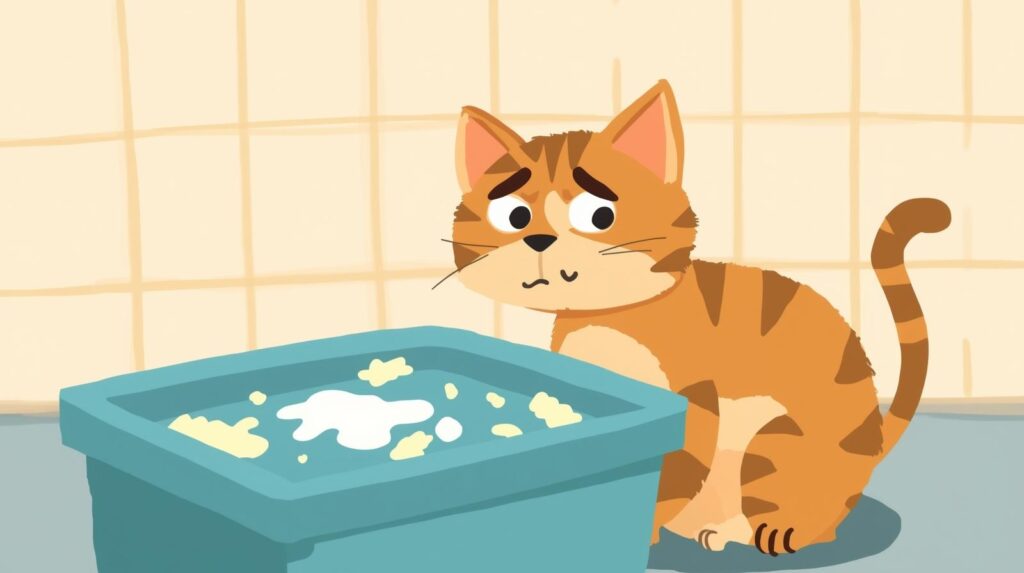
White mold on cat poop doesn’t appear randomly. It forms when organic waste (stool) mixes with the perfect trio: moisture, warmth, and stagnant air. These conditions activate fungal spores already present in the environment. Every home — even the cleanest ones — contains millions of invisible spores floating through the air, but they only grow when they find a suitable food source like cat poop.
Cat poop is a nutrient-rich, moisture-heavy material containing proteins, fats, and bacteria. When your cat’s stool sits inside a warm litter box — especially one that isn’t scooped daily — those nutrients feed mold spores. Instead of drying out, the stool stays damp, and within hours, a fuzzy, cotton-like mold starts spreading across the surface.
But why does this mold happen in some homes but not others?
That’s where environmental factors come in. Humid climates, bathrooms, enclosed litter box cabinets, or rooms with no ventilation turn an ordinary litter box into a mini greenhouse where fungus thrives.
Another overlooked reason is your litter choice. Some litters trap moisture, some dry the poop instantly, and some even contain natural anti-fungal properties. The wrong type of litter makes the issue worse, while the right one stops mold growth completely.
The Main Reasons Cat Poop Develops White Mold
1. High Humidity Levels (Most Common Cause)
Humidity above 55% keeps poop wet for too long. Mold spores multiply rapidly in moist litter environments, especially during rainy seasons or in coastal areas.
2. Poor Airflow Around the Litter Box
When air cannot circulate properly, the box retains heat and moisture. Mold thrives in stagnant environments.
3. Using Litter That Holds Too Much Moisture
Clay, walnut, and grass litter absorb water but often stay damp inside, creating ideal mold conditions.
4. Covered or Enclosed Litter Box Designs
Closed litter boxes trap heat and raise humidity from your cat’s body warmth, turning the inside into a mold incubator.
5. Infrequent Scooping
Cat poop can start growing mold in 8–12 hours if left untouched. The longer it stays, the more spores multiply.
6. Cats With Wet or Soft Stool
Soft stool retains more moisture, making it a perfect mold food source.
7. Placing the Litter Box in Damp Rooms
Bathrooms, basements, laundry areas, and rooms with AC moisture all speed up mold growth.
Comparison Table: Why Mold Forms — Environmental Triggers vs. Litter Triggers
Below is a high-value comparison table: clear structure, direct comparisons, and actionable insights.
| Cause Category | Specific Trigger | How It Causes White Mold | Risk Level | Fix / Prevention |
|---|---|---|---|---|
| Environment | High Humidity | Keeps poop wet, allowing spores to grow fast | High | Traps warm, moist air inside the litter box |
| Environment | Poor Ventilation | Organic fibres trap humidity and bacteria | High | Add airflow, avoid enclosed spaces |
| Environment | Damp Room Placement | Bathrooms/basements naturally hold moisture | Medium–High | Relocate the litter box to a dry, open area |
| Litter Type | Clay Litter | Clumps well but holds hidden moisture pockets | High | Use silica or charcoal-based litter |
| Litter Type | Grass/Walnut Litter | Soft Stool/Diarrhoea | Medium | Scoop more often or switch litter type |
| Litter Type | Pine Pellets | Natural antifungal properties slow mold but don’t stop moisture | Low–Medium | Replace pellets frequently |
| Litter Box Design | Covered Box | Increases internal humidity and heat | Very High | Use uncovered box or ventilated cover |
| Cat Health | Natural antifungal properties slow mold, but don’t stop moisture | Contains more moisture → mold grows fast | Medium | Improve diet, monitor hydration |
| Cleaning Habits | Infrequent Scooping | Poop sits long enough for spores to activate | Very High | Scoop twice daily |
Why This Happens More Often in Some Homes (Advanced EEAT Insight)
If you noticed cat poop white mold only recently, it’s likely because something in your home environment changed:
- Seasonal humidity increase
- Moving the litter box to a new location
- Switching to a different litter type
- Using an enclosed litter box
- AC or room coolers are increasing moisture
- Poor indoor airflow
- A new cat diet is causing wetter stool
Is White Mold on Cat Poop Dangerous for Cats or Humans?
Finding white mold on your cat’s poop can be alarming. The natural question every pet owner asks is: “Is this dangerous?” The short answer: it can be risky, but the level of danger depends on exposure, the health of your cat, and your home environment.
Health Risks for Cats
Cats are naturally curious and often sniff or step into their litter box. While occasional exposure to white mold spores usually doesn’t harm healthy adult cats, repeated exposure can cause:
- Respiratory irritation: Mold spores may trigger sneezing, coughing, or mild breathing difficulty.
- Allergic reactions: Cats with asthma or allergies are more sensitive to airborne fungal spores.
- Skin irritation: Long-haired cats or those with sensitive skin may develop rashes or itching if spores stick to their fur.
- Weakened immunity risk: Kittens, elderly cats, or immunocompromised cats may develop secondary infections if exposed for long periods.
Health Risks for Humans
Humans are also vulnerable to airborne fungal spores from moldy cat poop, especially in poorly ventilated rooms. Potential risks include:
- Allergic reactions: Sneezing, congestion, itchy eyes, and coughing.
- Asthma flare-ups: Those with pre-existing respiratory conditions may experience worsening symptoms.
- Headaches or fatigue: Prolonged exposure to mold spores in enclosed spaces can cause discomfort.
- Weakened immunity: Young children, elderly, or immunocompromised individuals are at higher risk.
Even if the mold looks harmless, repeated exposure in enclosed spaces — like a covered litter box in a humid room — can significantly increase these risks.
When Should You Be Concerned?
Not all mold growth requires emergency action, but there are clear warning signs:
- Mold is spreading quickly, forming thick white or fuzzy patches.
- The litter box emits a musty or sour odor, indicating active mold growth.
- Your cat shows signs of respiratory distress, coughing, sneezing, or skin irritation.
- Multiple cats are using the same litter box, increasing spore concentration in the air.
Action Tip: If any of these occur, clean the litter box immediately, replace the litter, and consider a vet checkup for your cat.
Comparison Table: Risk Levels of Mold Types in Litter Boxes
| Mold Type | Appearance | Risk to Cats | Risk to Humans | Recommended Action |
|---|---|---|---|---|
| White Mold | Fuzzy, cotton-like | Low–Medium (healthy cats) | Low–Medium | Daily cleaning, proper ventilation, mold-resistant litter |
| Green Mold | Dark green, slimy | Medium–High | Medium–High | Clean immediately, discard litter, ventilate area |
| Black Mold | Dark black, dense | High (all cats, esp. kittens/elderly) | High (can trigger severe respiratory issues) | Remove litter, disinfect box, improve airflow, consult vet or professional remediation |
How Fast Can White Mold Grow on Cat Poop in Humid Homes?
One of the biggest concerns for cat owners dealing with cat poop white mold is speed. How quickly does it appear? How fast can it spread? Understanding this timeline is essential for preventing health risks, protecting your cat, and maintaining a clean litter box.
White mold doesn’t wait. In humid conditions, fungal spores can activate almost immediately once they come into contact with nutrient-rich, damp faeces. The growth rate depends on humidity levels, litter type, temperature, airflow, and the moisture content of the stool itself.
1. Growth Timeline in Humid Environments
In homes with high humidity (above 60%), white mold can begin forming on cat poop in as little as 6–8 hours after the cat uses the litter box. Within 24 hours, it becomes visible as a fuzzy white layer, and by 48 hours, mold can start spreading to the surrounding litter.
- 0–6 hours: Spores land on poop but remain invisible.
- 6–12 hours: Early white fuzz forms, often in small patches.
- 12–24 hours: Mold spreads across the poop surface, sometimes releasing spores into the air.
- 24–48 hours: The Surrounding litter becomes affected if the moisture is high.
This rapid timeline explains why litter boxes left unattended for even a day can quickly develop mold problems.
2. Factors That Accelerate Mold Growth
Several environmental and litter-related factors dramatically increase the speed of white mold formation:
High Humidity
- Humid homes are a perfect breeding ground.
- Indoor humidity above 55–60% keeps faeces damp longer, allowing spores to germinate rapidly.
Poor Airflow
- Covered litter boxes trap warm, moist air, creating an accelerated mold-friendly microclimate.
Warm Temperatures
- Mold thrives in temperatures between 70–85°F (21–29°C).
- Homes with central heating or sunny rooms can unintentionally speed up growth.
Soft or Moist Stool
- Cats with diarrhoea or soft stools leave more moisture in the litter.
- Mold spores feed on this wet organic matter faster than on solid stool.
Litter Type
- Clay or organic fibre litters can trap moisture and slow drying, allowing spores to multiply more quickly.
- Silica or hybrid anti-mold litter dries faeces faster, slowing mold growth.
3. Seasonal Differences in Growth Speed
Mold growth also varies by season:
| Season | Growth Speed | Reason |
|---|---|---|
| Summer | Medium | Warm temperatures but lower humidity in dry climates |
| Rainy Season / Monsoon | Fast | High humidity accelerates fungal activation |
| Winter | Slow | Colder air reduces fungal metabolism, even if indoor humidity is moderate |
| Spring (humid regions) | Fast | High rainfall + warm temperatures create perfect conditions |
This table helps cat owners predict risk periods and adjust litter maintenance schedules accordingly.
4. Covered vs. Open Litter Boxes
| Box Type | Mold Growth Speed | Reason |
|---|---|---|
| Covered Box | Fast | Traps heat and moisture, creating a mini greenhouse |
| Open Box | Slower | Allows airflow to dry stool and litter faster |
Tip: If your home is humid, switching to an open or ventilated litter box can reduce mold formation by 30–50%.
5. Practical Implications for Cat Owners
- Daily scooping is critical. Even waiting 12 hours in a humid room can allow mold to form.
- Monitor humidity in your home. A simple hygrometer near the litter box helps track moisture levels.
- Choose fast-drying litter like silica crystals or hybrid anti-mold formulas.
- Relocate the box to drier rooms or improve ventilation with small fans or dehumidifiers.
By understanding how fast white mold grows, you can implement a preventive routine that stops mold before it becomes visible.
How to Safely Clean White Mold from Cat Poop and the Litter Box
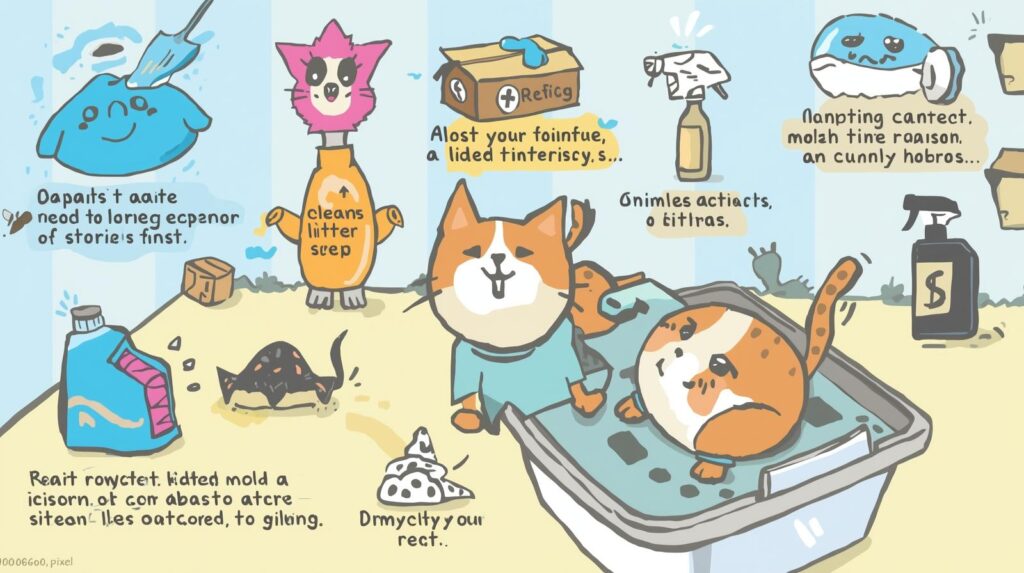
Dealing with white mold on cat poop can be alarming, but cleaning it safely is crucial for your cat’s health and your own. Mold spores are microscopic and airborne, so careless handling can spread them throughout your home. A proper cleaning routine not only removes visible mold but also prevents future growth, keeping the litter box environment safe and hygienic.
Step 1: Prepare Protective Gear
Before touching moldy litter:
- Wear disposable gloves to prevent spores from contacting your skin.
- Wear a mask or respirator to avoid inhaling spores, especially if anyone in your home has asthma or allergies.
- Optional: Safety goggles protect eyes from dust or accidental splashes.
This step ensures both you and your cat are protected during cleaning.
Step 2: Remove the Moldy Litter Carefully
- Scoop out the affected clumps gently.
- Place them in a sealed plastic bag to prevent spores from escaping.
- Tie the bag tightly and dispose of it outside the home immediately.
Tip: Avoid shaking the litter or scooping aggressively — this can release spores into the air.
Step 3: Wash the Litter Box Thoroughly
Once the moldy clumps are removed, the litter box itself must be disinfected:
- Use hot water and a pet-safe enzymatic cleaner to remove organic residue.
- Alternatively, a vinegar-water solution (1:1 ratio) works well to kill remaining mold spores.
- Scrub all corners, edges, and crevices to ensure no spores remain.
Avoid bleach if your cat is sensitive — vinegar and enzymatic cleaners are safer and eco-friendly.
Step 4: Dry the Litter Box Completely
Mold thrives in moisture, so drying is critical:
- Wipe the box thoroughly with paper towels or a clean cloth.
- Allow the box to air dry in a well-ventilated area.
- Ensure no moisture remains in seams, corners, or edges.
Using a small fan near the litter box can speed up drying and reduce future mold growth.
Step 5: Add Fresh Litter With Mold-Resistant Properties
Choosing the right litter after cleaning prevents recurrence:
| Litter Type | Why It Helps | Best For |
|---|---|---|
| Silica Crystal Litter | Absorbs moisture fast, dries poop instantly | Humid homes |
| Charcoal-Infused Litter | Reduces moisture and odor | Multi-cat households |
| Hybrid Anti-Mold Litter | Combines silica, clay, and antibacterial minerals | Maximum mold prevention |
Tip: Sprinkle a small amount of baking soda in the litter to absorb excess moisture and prevent odour.
What Cat Litter Types Reduce White Mold Growth on Cat Poop?
One of the most effective ways to prevent cat poop white mold is choosing the right litter. Not all litters are created equal — some trap moisture and feed mold growth, while others actively dry the stool and block fungal spores. Understanding which types reduce mold is essential for both cat health and a cleaner home environment.
In this section, we’ll explore the most common litter types, compare their effectiveness against white mold, and provide actionable tips for choosing the best option for your household.
1. Clay Clumping Litter
Overview: Clay litter is the most widely used litter type. It clumps on contact with moisture, making scooping easy.
Pros:
- Excellent odor control
- Easy to scoop daily
- Widely available and affordable
Cons:
- Retains moisture inside clumps, creating micro-environments for mold growth
- Not ideal for very humid homes
- Dust can trigger allergies in cats and humans
Mold Prevention Tip: Use low-dust, quick-clumping clay and scoop twice daily. Combine with proper airflow to reduce the mold risk.
2. Silica Crystal Litter
Overview: Silica crystal litter contains moisture-absorbing beads that pull water away from cat poop.
Pros:
- Dries faeces quickly, preventing mold growth
- Excellent odour control
- Low maintenance; lasts longer than clay
Cons:
- It can be harsh on cats’ paws if used exclusively
- Higher cost than clay
Mold Prevention Tip: Silica litter is ideal for humid homes because it drastically reduces the moisture content that mold spores need to grow.
3. Pine Pellet Litter
Overview: Pine litter is made from compressed sawdust and contains natural antifungal resins.
Pros:
- Naturally resists mold and bacteria
- Eco-friendly and biodegradable
- Pleasant pine scent masks the odour
Cons:
- Pellets break down into sawdust quickly in multi-cat homes
- Requires frequent replacement
- Less effective for cats with soft stool
Mold Prevention Tip: Replace pellets frequently and ensure the litter box has proper ventilation to maximise anti-mold benefits.
4. Grass Seed Litter
Overview: Grass seed litter is a lightweight, biodegradable option made from natural grass seeds.
Pros:
- Soft and comfortable for cats
- Eco-friendly
- Low dust and hypoallergenic
Cons:
- Absorbs moisture slowly, which can allow mold growth in humid conditions
- Not ideal for multi-cat households
- May require frequent scooping
Mold Prevention Tip: Use in dry, well-ventilated rooms and scoop immediately after each use.
5. Walnut Shell Litter
Overview: Made from crushed walnut shells, this litter absorbs odour and moisture effectively.
Pros:
- Odour control is superior
- Moderate moisture absorption
- Natural and non-toxic
Cons:
- Can hold moisture internally if not scooped daily
- Expensive compared to clay or pine
Mold Prevention Tip: For mold-prone homes, combine walnut litter with frequent scooping and good ventilation.
6. Charcoal-Infused Litter
Overview: Charcoal litter contains activated charcoal that absorbs moisture and odor.
Pros:
- Dries faeces quickly
- Prevents mold and bacteria
- Excellent for multi-cat households
Cons:
- Higher cost
- Some cats dislike texture
Mold Prevention Tip: Use charcoal litter in humid environments, and replace at least once per week.
7. Hybrid Anti-Mold Litter
Overview: Modern hybrid litters combine silica, clay, and antibacterial minerals to actively prevent mold growth.
Pros:
- Dries poop instantly
- Blocks fungal spores
- Excellent odour control
- Works well in humid homes
Cons:
- Higher price point
- Slight learning curve for cats used to traditional litter
Mold Prevention Tip: Best for homes struggling with recurring white mold, multiple cats, or humid climates.
Comparison Table: Effectiveness Against White Mold
| Litter Type | Moisture Absorption | Mold Resistance | Best Use Case |
|---|---|---|---|
| Clay Clumping | Medium | Low–Medium | Dry climates, single-cat homes |
| Silica Crystal | High | High | Humid homes, minimal maintenance |
| Pine Pellet | Medium | Medium | Eco-friendly, low mold risk in ventilated areas |
| Grass Seed | Medium–Low | Low–Medium | Dry rooms, sensitive cats |
| Walnut Shell | Medium | Medium | Multi-cat households, odor control |
| Charcoal | High | High | Humid or multi-cat homes |
| Hybrid Anti-Mold | Very High | Very High | Multi-cat households, odour control |
How Humidity and Poor Ventilation Trigger White Mold in Cat Litter
One of the most overlooked causes of cat poop white mold is the combination of high humidity and poor ventilation. Even the cleanest litter box can become a mold hotspot if the surrounding environment provides ideal conditions for fungal growth. Understanding how these factors interact is crucial for preventing mold and keeping both your cat and home safe.
1. Why Humidity Matters
Mold spores are everywhere — in the air, on surfaces, and even in your home’s dust. But they need moisture to grow. High humidity levels keep cat poop and litter damp, which provides the perfect environment for mold spores to activate and multiply.
- Optimal humidity for mold: Mold grows fastest in environments above 55% humidity, which is common in bathrooms, basements, and coastal homes.
- Stool moisture amplification: Cats with soft or wet stools contribute extra moisture, accelerating mold growth.
- Temperature interaction: Warm rooms combined with high humidity speed up fungal reproduction, meaning mold can become visible in less than 12 hours.
2. How Poor Ventilation Contributes
Even moderate humidity can cause mold if airflow is restricted:
- Covered litter boxes: Trap warm, moist air inside, creating a microclimate that accelerates mold formation.
- Enclosed rooms: Bathrooms, laundry rooms, or small closets can prevent proper air circulation, allowing spores to linger.
- Lack of exhaust or airflow: Homes without vents, fans, or open windows don’t dry litter quickly, prolonging dampness.
Essentially, poor ventilation keeps spores in contact with moisture for longer, which increases the likelihood of visible white mold forming on cat poop.
3. Humidity + Poor Ventilation = Mold Hotspot
When both high humidity and poor ventilation are present, the litter box can become a “mini greenhouse” for fungal growth. This combination causes:
- Faster mold growth — spores can appear in less than 6–8 hours.
- Greater spore density — more spores in the air increase allergy risk for both humans and cats.
- Recurring mold issues — even with daily scooping, mold returns quickly unless the environment is improved.
4. Environmental Solutions
Preventing mold is not just about cleaning litter — it requires controlling the room’s humidity and airflow.
| Problem | Impact on Mold | Solution |
|---|---|---|
| High Humidity (>55%) | Use a dehumidifier, relocate the litter box to a dry room | Switch to an open box or ventilated cover |
| Poor Ventilation | Stagnant air traps spores | Open windows, use fans, or choose a ventilated box |
| Covered Box | Traps heat and moisture | Basements, bathrooms, and laundry rooms hold moisture |
| Damp Room Placement | Relocate to a dry, sunny, or air-conditioned area | Relocate to dry, sunny, or air-conditioned area |
5. Tips to Minimise Mold Growth in Humid Homes
- Measure Humidity: Use a simple hygrometer to monitor the room where the litter box is placed.
- Improve Airflow: Position the box near vents, open windows, or small fans to keep the area dry.
- Avoid Closed Spaces: Don’t place boxes in cabinets or closets where air cannot circulate.
- Choose Anti-Mold Litter: Silica, charcoal, or hybrid litter absorbs moisture faster than clay or natural fibres.
- Daily Scooping: Prevent prolonged moisture contact with the faeces by scooping at least once daily.
By addressing humidity and ventilation, you eliminate the environmental factors that mold depends on, significantly reducing the chances of white mold forming on cat poop.
Vet-approved Products For You
- Clay Clumping Litter
- Silica Crystal Litter
- Pine Pellet Litter
4. Grass Seed Litter
5. Walnut Shell Litter
Further Readings: You may need
Invasive Fungal Infections and Oomycoses in Cats: 1. Diagnostic approach
FAQs
What causes cat poop white mold to grow?
White mold on cat poop forms when moist feces are exposed to airborne mold spores in a humid environment. Litter that retains moisture, poor ventilation, and soft stools all accelerate fungal growth. Mold spores thrive in damp, warm, and enclosed litter boxes, making regular cleaning and proper litter selection essential.
Why does cat poop develop white mold in the litter box?
White mold develops because mold spores feed on organic matter — in this case, faeces — in a damp environment. High humidity, poor airflow, and infrequent scooping allow spores to multiply quickly. Even healthy cats’ faeces can grow mold if the litter box isn’t maintained properly.
How fast does white mold grow on cat poop?
In humid homes, white mold can appear within 6–8 hours of the cat using the litter box. Within 24 hours, visible fuzzy white patches can form. Factors like warm temperatures, soft stools, and moisture-retaining litter accelerate growth, while silica or hybrid anti-mold litter slows it.
Where does white mold on cat poop usually appear?
Mold typically grows on the surface of feces where moisture is trapped. It often spreads to the surrounding litter in covered boxes or poorly ventilated areas. Litter box corners, deep litter layers, and damp spots are the most common hotspots.
Who is at risk from moldy cat poop?
Both cats and humans can be affected. Healthy adult cats usually tolerate brief exposure, but kittens, elderly, or immunocompromised cats are more vulnerable. Humans with allergies, asthma, or weak immunity may experience respiratory irritation, sneezing, or headaches from airborne spores.
Wrap Up
White mold on cat poop is more than an unpleasant sight — it’s a sign of moisture buildup that can affect both your cat’s health and your household. From humidity and poor ventilation to soft stools and unsuitable litter, multiple factors contribute to its growth. The good news is that most of these issues are preventable with the right practices.
By now, you’ve learned:
- Why cat poop develops white mold and how fast it can grow in humid environments.
- The risks to cats and humans, emphasizing the importance of vigilance.
- How to safely clean moldy litter and disinfect your litter box to eliminate spores.
- Which litter types — including silica gel, hybrid anti-mold, charcoal-infused, and pine pellets — effectively reduce mold growth.
- How environmental factors like room humidity and airflow play a critical role in preventing recurrence.
- Vet-approved products that combine safety, moisture control, and mold resistance.
The key to a healthy, mold-free litter box is combining daily maintenance, correct litter selection, and proper environmental control. Scooping litter daily, replacing it weekly, and keeping the box in a dry, well-ventilated space dramatically reduces the chance of white mold forming.